
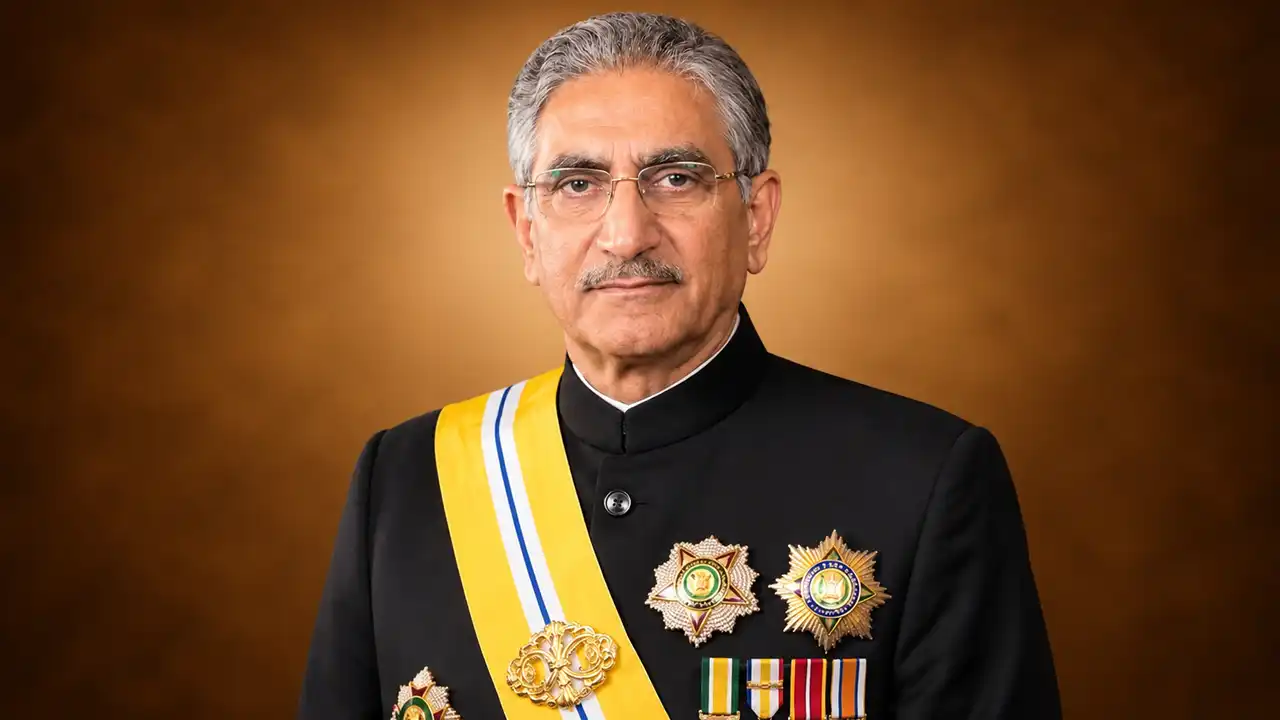
Dr. Samar Mubarakmand
Published On 18 Nov, 2026
SCIENTIFIC PAKISTANI | THE LEADERSHIP ARCHIVES
Dr. Samar Mubarakmand: The Scientific Mind Behind Pakistan’s Nuclear and Missile Programmes
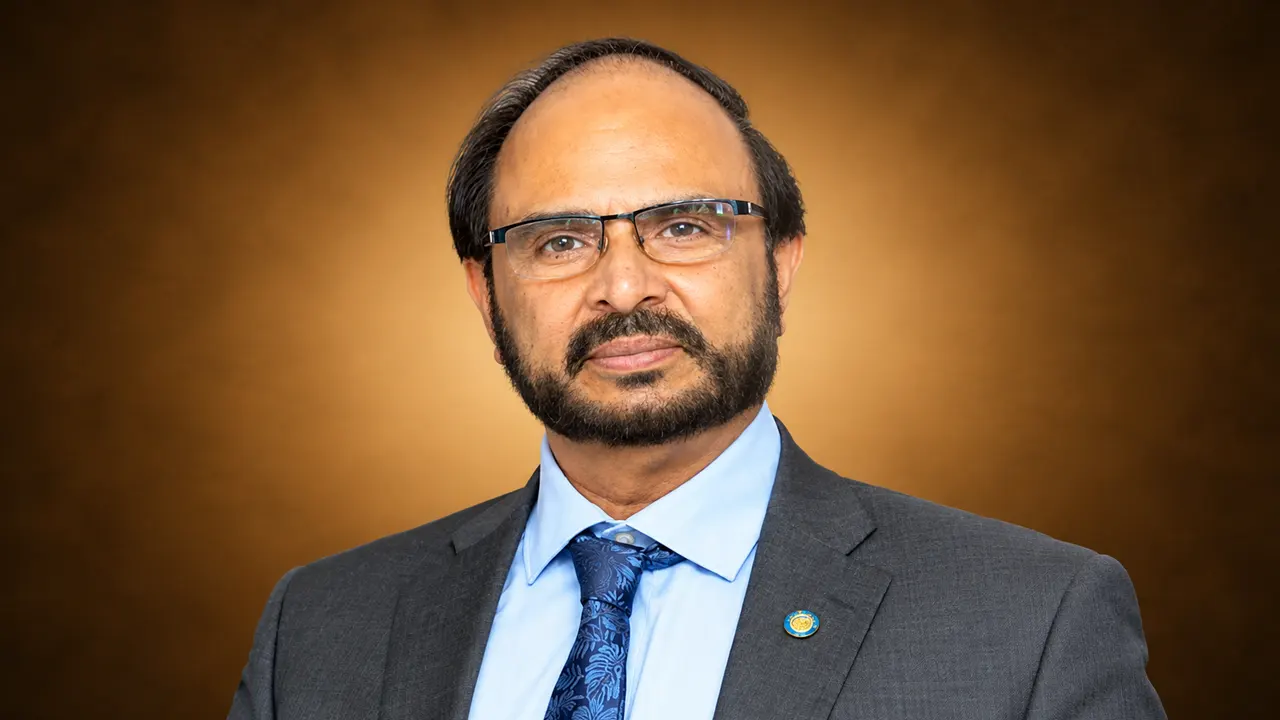
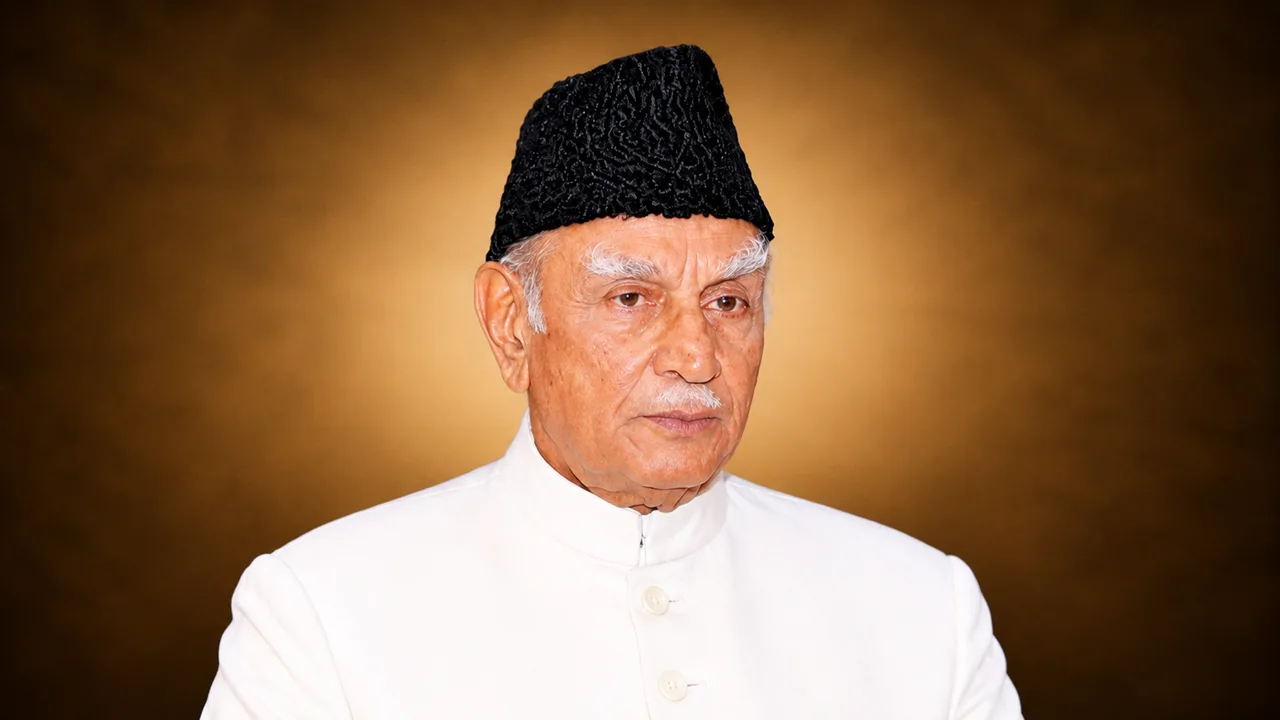
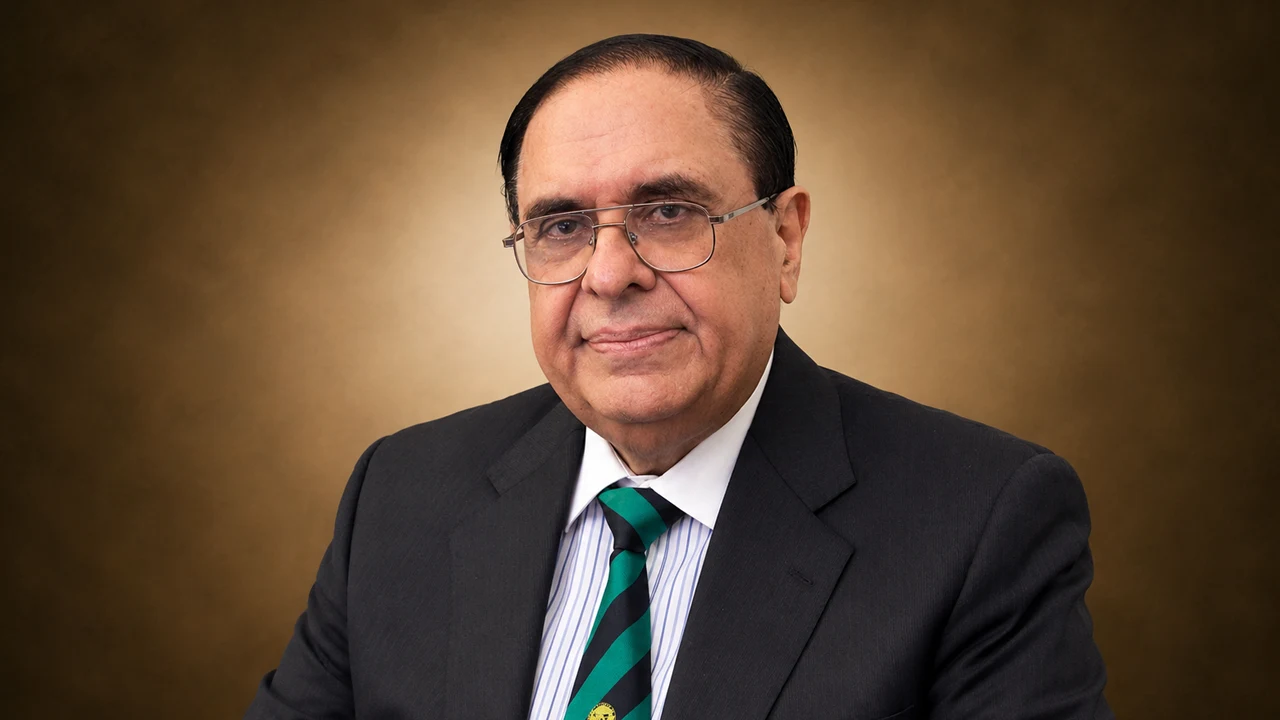
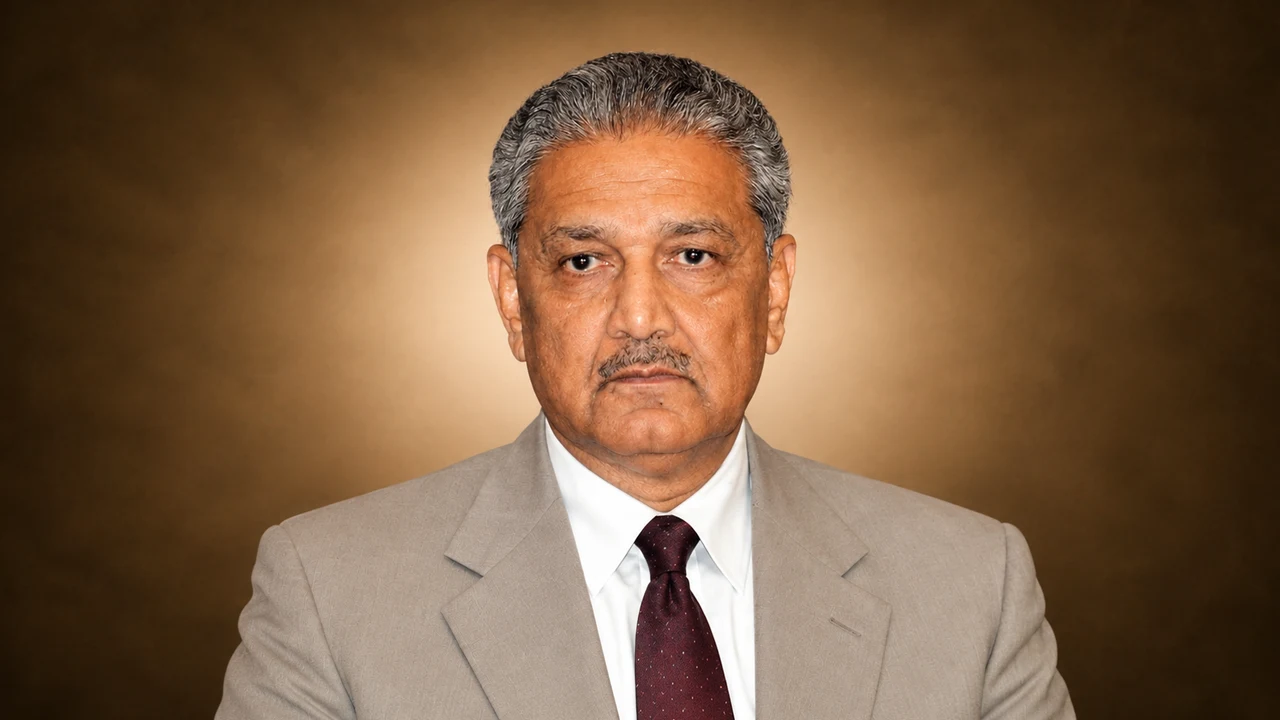
Dr. Samar Mubarakmand is one of Pakistan’s most prominent nuclear physicists, recognised for his contributions to experimental nuclear physics, gamma-ray spectroscopy, nuclear instrumentation, and strategic scientific development. His distinguished career at the Pakistan Atomic Energy Commission (PAEC), leadership during Pakistan’s historic nuclear tests in May 1998, and role in advancing indigenous missile technology have made him an influential figure in the country’s scientific and technological history.
Introduction: A Pioneer of Pakistan’s Strategic Science
Dr. Samar Mubarakmand represents a generation of Pakistani scientists who helped establish the country’s capabilities in advanced nuclear research and engineering. His scientific journey spans experimental physics, nuclear instrumentation, accelerator development, and national research leadership.
He became internationally recognised for leading the scientific team associated with Pakistan’s nuclear tests at Chagai in May 1998. Beyond that milestone, his work included developing scientific infrastructure, strengthening technical institutions, and contributing to Pakistan’s missile and aerospace-related research programmes.
His career demonstrates how scientific research, institutional leadership, and long-term national planning can shape a country's technological capabilities.
Early Life and Academic Foundation
Dr. Samar Mubarakmand was born on September 17, 1942, in Rawalpindi, in what was then British India. He received his early education in Lahore and attended St. Anthony’s High School.
His interest in physics led him to Government College Lahore, now Government College University (GCU), where he pursued higher studies in the subject.
He completed his Master of Science in Physics in 1962, earning academic distinction. His postgraduate research included the construction of a gamma-ray spectrometer, reflecting his early interest in experimental nuclear instrumentation.
His academic performance opened the way to advanced research at the University of Oxford in the United Kingdom.
Oxford University: Advancing Experimental Nuclear Physics
In 1962, Mubarakmand began doctoral research at the University of Oxford under the supervision of distinguished nuclear physicist D. H. Wilkinson.
His research focused on experimental nuclear physics, particularly the study and measurement of fast neutrons. He completed his D.Phil. in 1966.
His time at Oxford exposed him to advanced experimental facilities and accelerator technology. He also gained experience connected with the development and commissioning of a high-voltage particle accelerator.
This academic training provided the foundation for his later work in Pakistan, where he contributed to the development of nuclear research facilities and experimental instrumentation.
Scientific Contributions: Gamma Spectroscopy and Nuclear Instrumentation
One of Mubarakmand’s important areas of scientific contribution was gamma-ray spectroscopy, a technique used to study nuclear energy transitions through the detection and analysis of gamma radiation.
His early research into spectrometry and experimental instrumentation helped strengthen Pakistan’s scientific expertise in nuclear measurements.
His broader research interests included:
- Nuclear instrumentation and diagnostics
- Experimental nuclear physics
- Nuclear structure and spectroscopy
- Fast-neutron measurement
- Particle accelerator technology
- Fibre optics and laser applications
- Aerospace technology and fluid dynamics
These fields require sophisticated experimental equipment, mathematical analysis, and highly specialised technical expertise.
His career helped connect fundamental scientific research with the development of practical technological capabilities in Pakistan.
Pakistan Atomic Energy Commission: Building National Research Capacity
After completing his doctoral studies, Mubarakmand returned to Pakistan and joined the Pakistan Atomic Energy Commission (PAEC) in 1966.
Over the following decades, he held several scientific and administrative positions, gradually taking on greater responsibilities in the country's nuclear research programme.
He became associated with the development of specialised research groups and technical capabilities in nuclear diagnostics and fast-neutron physics.
His work involved scientific measurements and experimental assessment that supported the evaluation of nuclear research programmes.
Between 1995 and 2000, he served as Member (Technical) of PAEC. Earlier, he held senior positions within the commission, including Director General responsibilities.
His career at PAEC illustrates the importance of scientific administration and institutional development in sustaining complex national research programmes.
Chagai 1998: Leadership During a Historic Scientific Milestone
One of the most significant chapters of Dr. Samar Mubarakmand’s career was his leadership of the scientific team associated with Pakistan’s nuclear tests in May 1998.
Following India's nuclear tests earlier that month, Pakistan conducted its own underground nuclear tests in the Chagai district of Balochistan.
On May 28, 1998, Pakistan carried out five underground nuclear tests at Chagai, followed by another test on May 30.
Mubarakmand served as a leading scientific figure in the Pakistan Atomic Energy Commission's testing effort. His responsibilities included coordinating scientific and technical teams involved in the historic programme.
The tests marked a defining moment in Pakistan’s scientific and defence history, demonstrating the country's ability to conduct a complex national scientific operation involving physicists, engineers, technicians, and other specialists.
His role at Chagai remains one of the most widely recognised aspects of his professional legacy.
Missile Technology: Advancing Indigenous Engineering
Mubarakmand also played a significant leadership role in Pakistan’s missile research and development efforts.
He was associated with the Integrated Missile Research and Development Programme and served in leadership positions connected with the National Development Complex (NDC).
His work contributed to the development of indigenous missile technology, particularly the scientific and engineering capabilities associated with Pakistan’s Shaheen missile programme.
His areas of expertise in nuclear instrumentation, aerospace technology, fluid dynamics, and applied physics provided a scientific foundation relevant to advanced engineering projects.
The development of indigenous missile technology required collaboration among physicists, engineers, researchers, and technical institutions. Mubarakmand's leadership helped bring together these different areas of expertise.
NESCOM: Strengthening Scientific and Engineering Institutions
In 2001, Dr. Samar Mubarakmand became the founding chairman of the National Engineering and Scientific Commission (NESCOM), serving until 2007.
The organisation was established to coordinate and strengthen Pakistan’s advanced engineering and scientific research capabilities.
His leadership reflected a broader vision of developing local scientific expertise rather than relying entirely on foreign technology and technical support.
Institution-building became an important part of his professional contribution, connecting research, engineering development, and national technological planning.
Beyond Defence: Energy, Minerals and Scientific Development
Mubarakmand’s professional interests also extended into civilian scientific and economic development.
He became involved in Pakistan’s Thar coal and underground coal gasification initiatives, exploring ways to use domestic energy resources through scientific and engineering methods.
He also held responsibilities associated with mineral exploration and development projects, including work connected with Punjab Mineral Company and the Chiniot mineral exploration initiative.
In government, he served as Special Assistant to the Prime Minister on Science and Technology and later worked as Member (Science and Technology) of Pakistan’s Planning Commission.
These responsibilities reflected his interest in applying scientific knowledge to energy security, natural resources, industrial development, and national planning.
National Recognition and Scientific Honours
Dr. Samar Mubarakmand has received some of Pakistan’s highest civilian honours in recognition of his scientific and national contributions.
His major awards include:
- Sitara-e-Imtiaz (1992): Recognition of his services to science and national development.
- Hilal-e-Imtiaz (1998): Awarded for distinguished contributions.
- Nishan-e-Imtiaz (2003): One of Pakistan’s highest civilian honours.
- Dr. Nazir Ahmed Award (2005): Recognition associated with scientific achievement.
- International Scientist of the Year (2007): An additional distinction listed in his professional record.
He was also elected a Fellow of the Pakistan Academy of Sciences in 2003, reflecting his standing within the country's scientific community.
Scientific Legacy: Research, Leadership and National Development
Dr. Samar Mubarakmand’s legacy is not limited to one scientific achievement. His career connects experimental nuclear physics, scientific instrumentation, research administration, strategic engineering, and civilian development projects.
His contributions helped strengthen Pakistan’s institutional capabilities in advanced scientific research and engineering.
His work also highlights the importance of collaboration between universities, research laboratories, government institutions, and technical professionals.
While his most recognised contribution remains his leadership during the 1998 Chagai nuclear tests, his broader career demonstrates the value of sustained investment in scientific education, research infrastructure, and local technical expertise.
A Message for the Next Generation of Pakistani Scientists
The professional journey of Dr. Samar Mubarakmand offers an important lesson for young Pakistani researchers: scientific progress requires patience, discipline, curiosity, and a commitment to excellence.
His academic journey from Government College Lahore to the University of Oxford demonstrates the importance of strong educational foundations and advanced research training.
For aspiring physicists, engineers, and innovators, his career highlights the importance of mastering scientific fundamentals, developing practical research skills, and contributing to institutions that serve society.
Pakistan’s future scientific progress will depend on young people who can transform knowledge into innovation, strengthen research institutions, and address national challenges through responsible scientific development.
Conclusion: A Defining Figure in Pakistan’s Scientific History
Dr. Samar Mubarakmand remains an influential figure in Pakistan’s nuclear and engineering history. From his early research in gamma-ray spectroscopy to his senior leadership roles at PAEC, NESCOM, and national development institutions, his career reflects decades of scientific and technological work.
His association with the Chagai nuclear tests of 1998 established his place in one of Pakistan’s most significant historical milestones.
Beyond that achievement, his contributions to research infrastructure, missile technology, energy projects, and scientific administration form an important part of his professional legacy.
His story stands as a reminder that national scientific progress is built through education, research, institutional strength, and the dedication of generations of scientists.