

Government may cut or scrap real estate tax to ease burden on property sector
Published On 14 Apr, 2026

Tax collection from the salaried class has increased by Rs29 billion this year, according to data released by the Federal Board of Revenue.
In the first nine months of the current fiscal year, salaried individuals paid Rs420 billion in taxes, compared to Rs391 billion during the same period last year. This marks a steady rise in reliance on salaried taxpayers for revenue generation.
Among salaried individuals, non-corporate employees contributed the largest share, paying Rs187 billion in taxes. Corporate employees followed with Rs134 billion, while provincial government employees paid Rs59 billion -- showing a decline compared to previous trends.
Federal government employees contributed Rs41 billion in taxes during the same period, according to FBR figures.
Real estate sector contributes Rs197bn
The real estate sector also remained a major contributor to tax revenues, generating Rs197 billion during the first nine months of the fiscal year.
A significant increase was recorded in taxes collected on the sale of plots, which rose by 62% to reach Rs137 billion. However, tax collection on the purchase of plots declined by 16 percent, falling to Rs 61 billion.
Meanwhile, tax collection on profit from property remained notably low at just Rs1.7 billion, highlighting a gap in revenue from this segment.
Govt considering tax relief for property sector
Despite strong tax inflows from real estate transactions, the government is now considering proposals to reduce taxes in the sector, according to FBR officials.
One key proposal under review is the abolition of tax on a first house or a one-kanal residential plot, aimed at providing relief to genuine buyers and encouraging documented transactions.
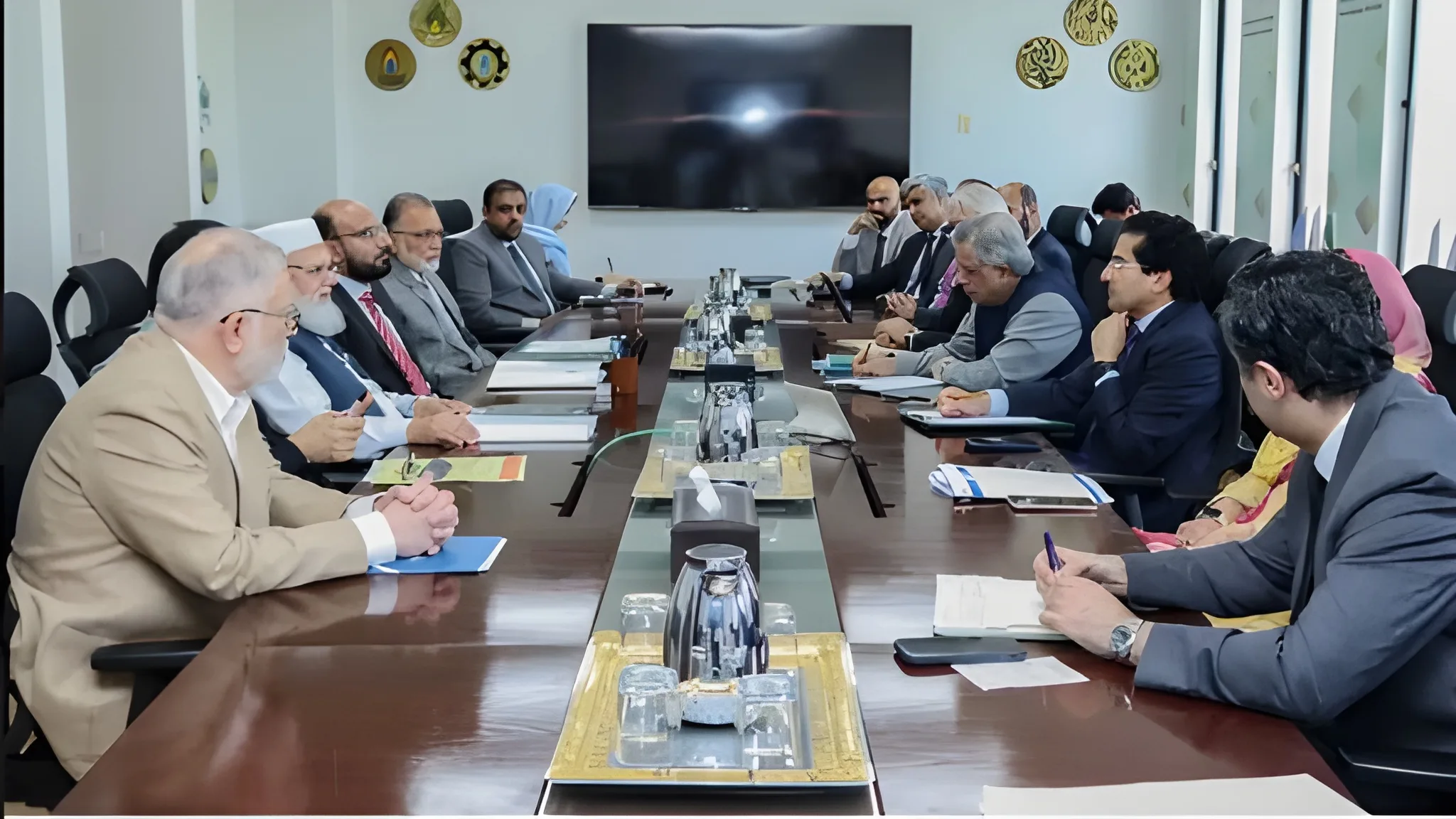
Discussions on these proposed tax changes are expected to take place with the International Monetary Fund before the announcement of the next federal budget.
Officials confirmed that an IMF team is likely to visit Pakistan soon to hold consultations on budget proposals, including potential changes in real estate taxation.
Balancing revenue growth, taxpayer relief
The latest figures underline a dual challenge for policymakers: maintaining strong revenue growth -- particularly from the salaried class, while offering targeted relief to stimulate key sectors like real estate.
As Pakistan prepares its upcoming budget, decisions taken in consultation with the IMF will likely shape the balance between taxation, economic activity, and public sentiment.