Vance labels Iran’s actions in the Strait of Hormuz as “economic terrorism” as US naval blockade takes effect
Published On 14 Apr, 2026
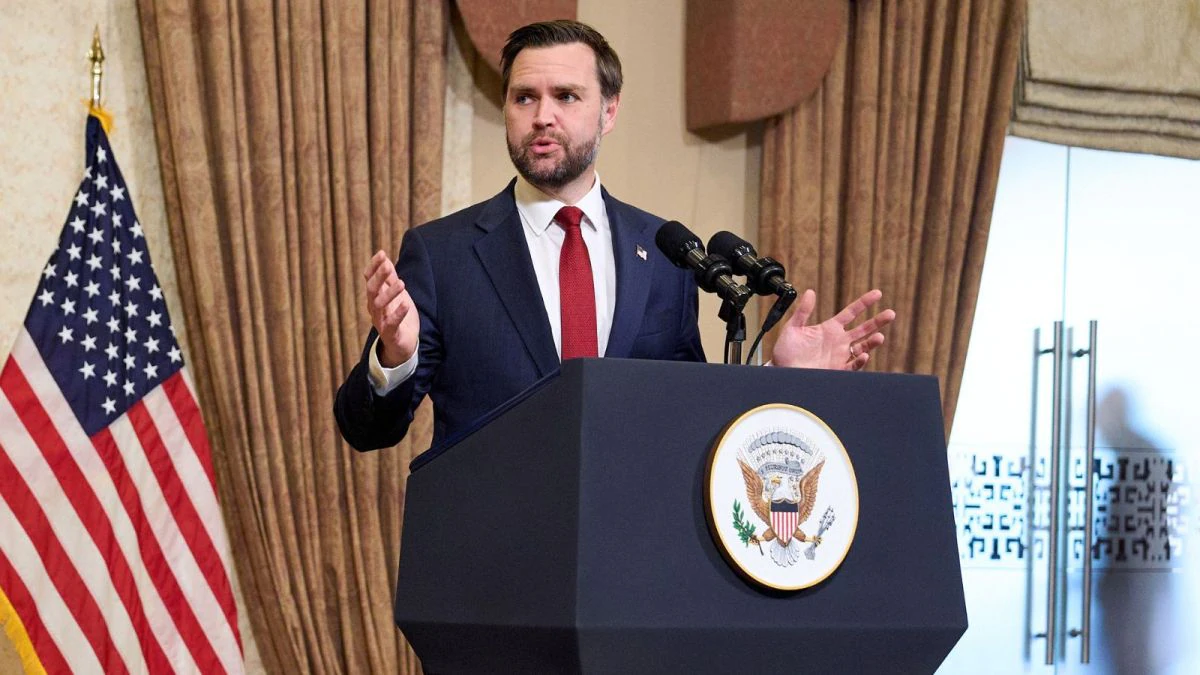
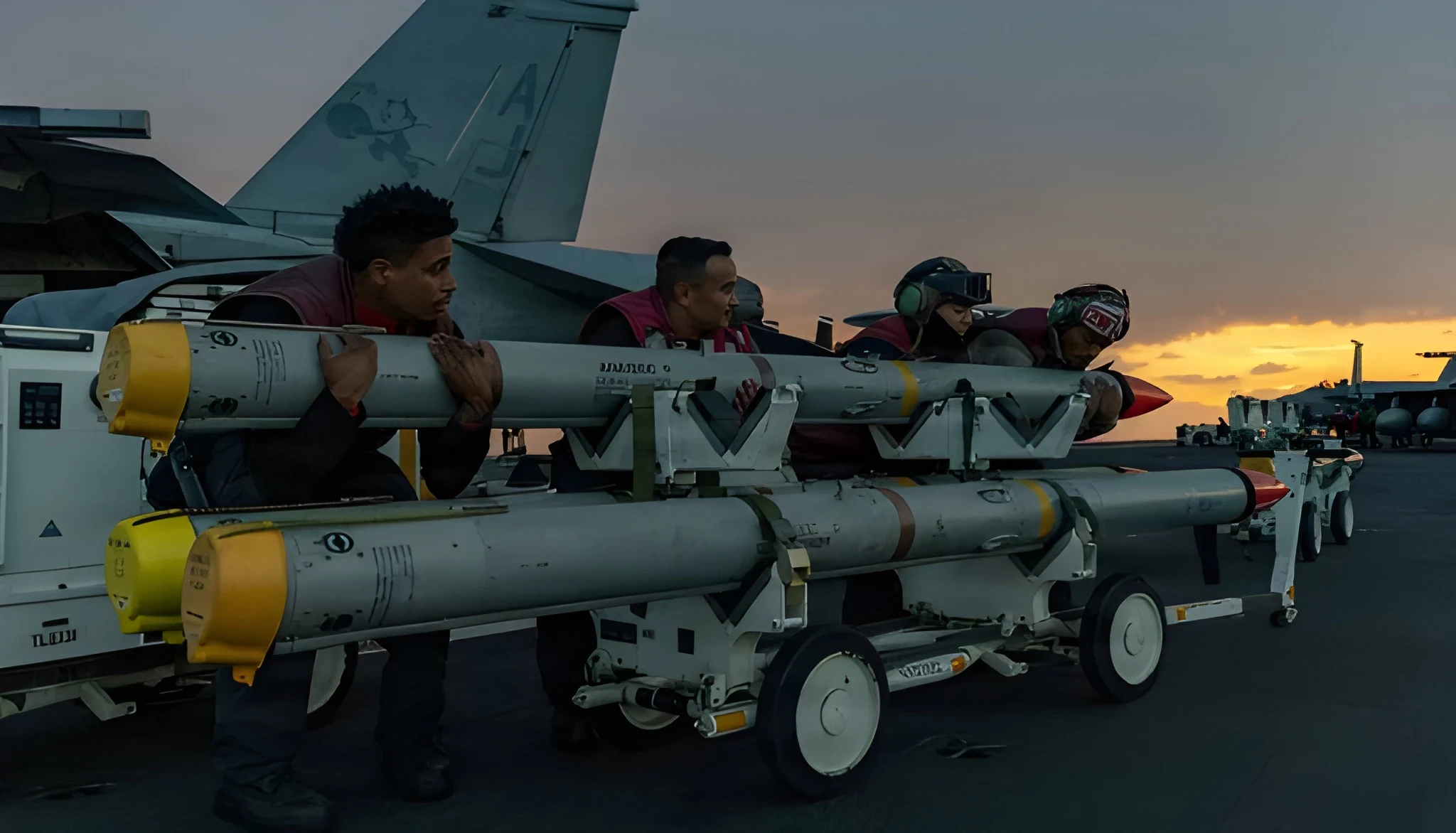
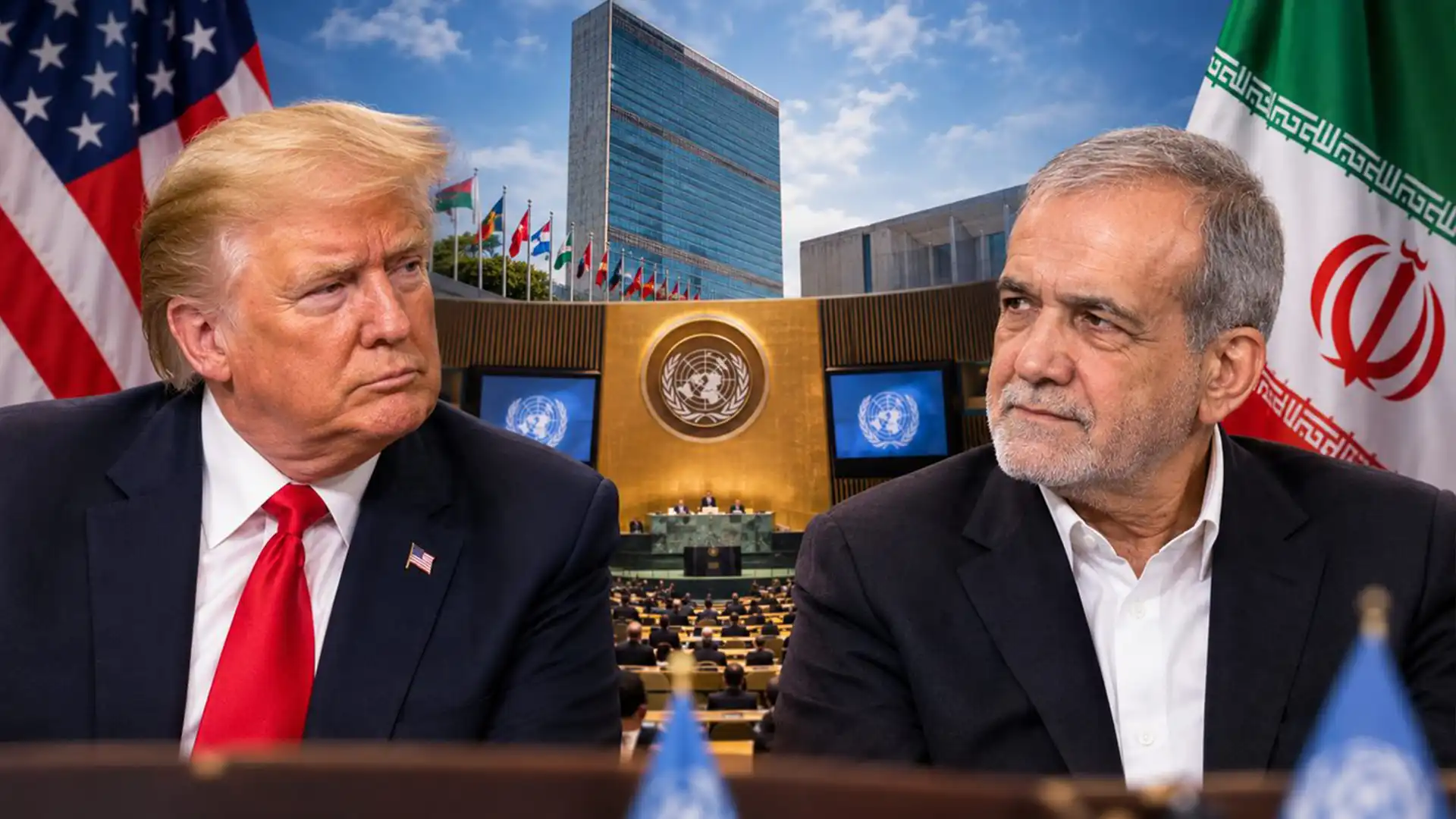
Tensions between the United States and Iran have escalated sharply after US Vice President JD Vance accused Tehran of engaging in “economic terrorism” in the strategically vital Strait of Hormuz. His remarks came as Washington’s naval blockade officially came into effect, marking a significant shift in efforts to counter perceived threats to global shipping lanes.
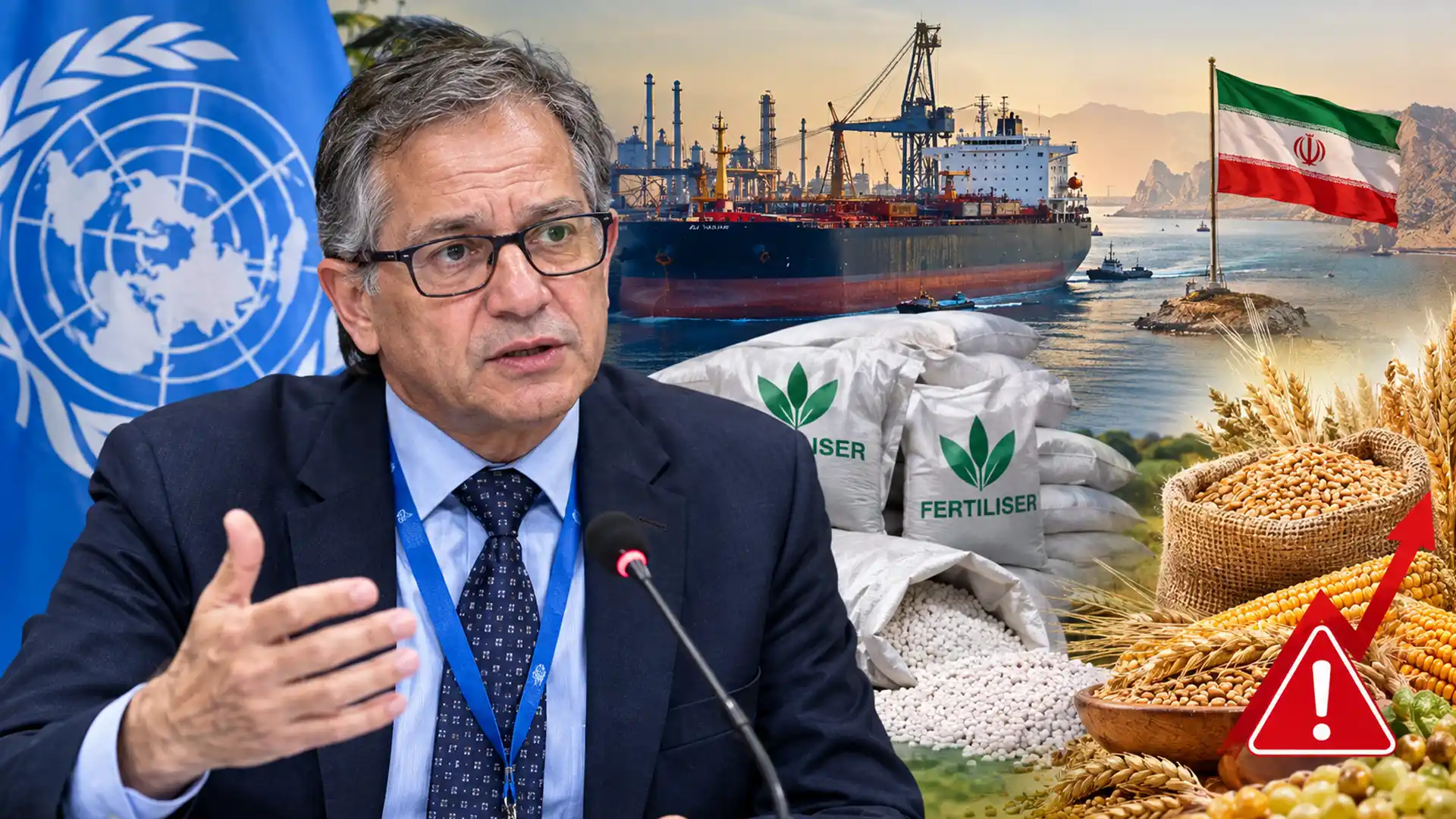
The Strait of Hormuz, a crucial artery for the world’s oil supply, has long been a flashpoint in US-Iran relations. Any disruption in this narrow waterway can have far-reaching consequences for international energy markets and global trade. The US move to impose a blockade is aimed at safeguarding maritime routes, but it has also raised concerns about potential retaliation and further instability in the Middle East.
Iran has repeatedly rejected such accusations, maintaining that its actions are defensive and within its territorial rights. However, rising military presence and heightened rhetoric from both sides have fueled fears of a broader confrontation that could impact oil prices and regional security.
Analysts warn that continued escalation may not only strain diplomatic channels but also pose risks to commercial shipping and energy supplies worldwide, making the situation in the Strait of Hormuz one of the most closely watched geopolitical developments.