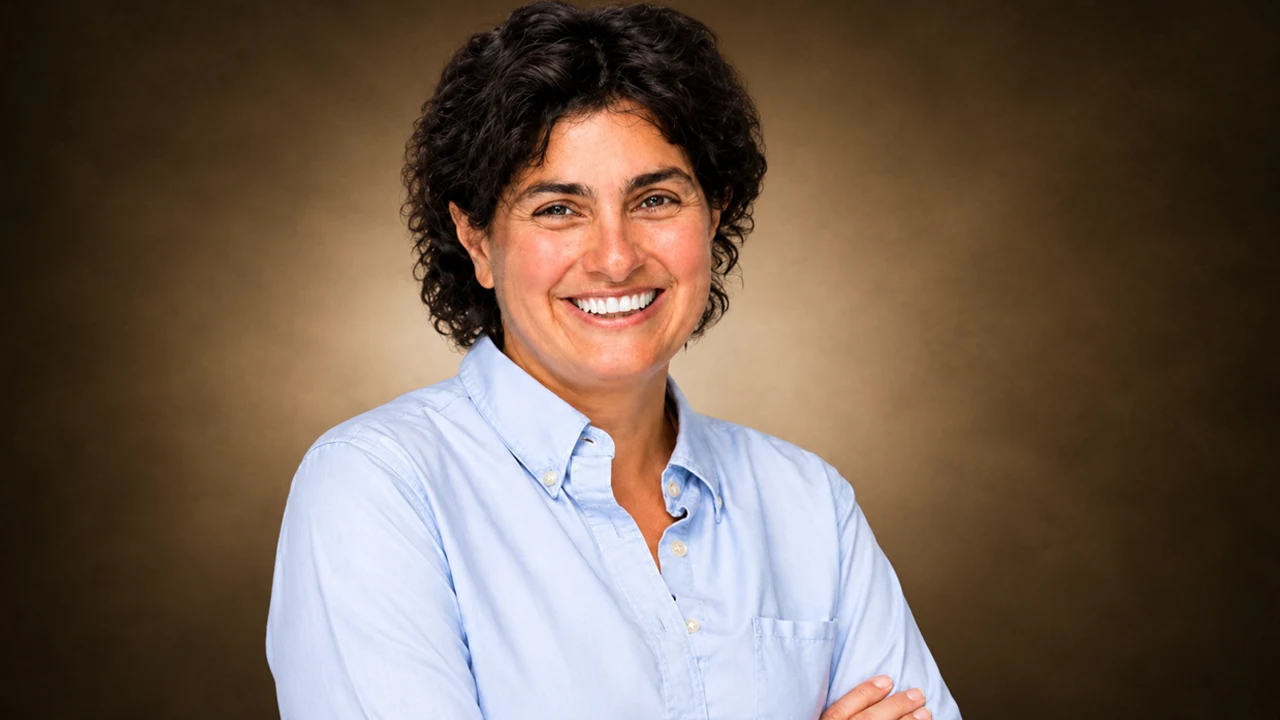



Dr. Naweed Syed
Published On 10 Nov, 2026
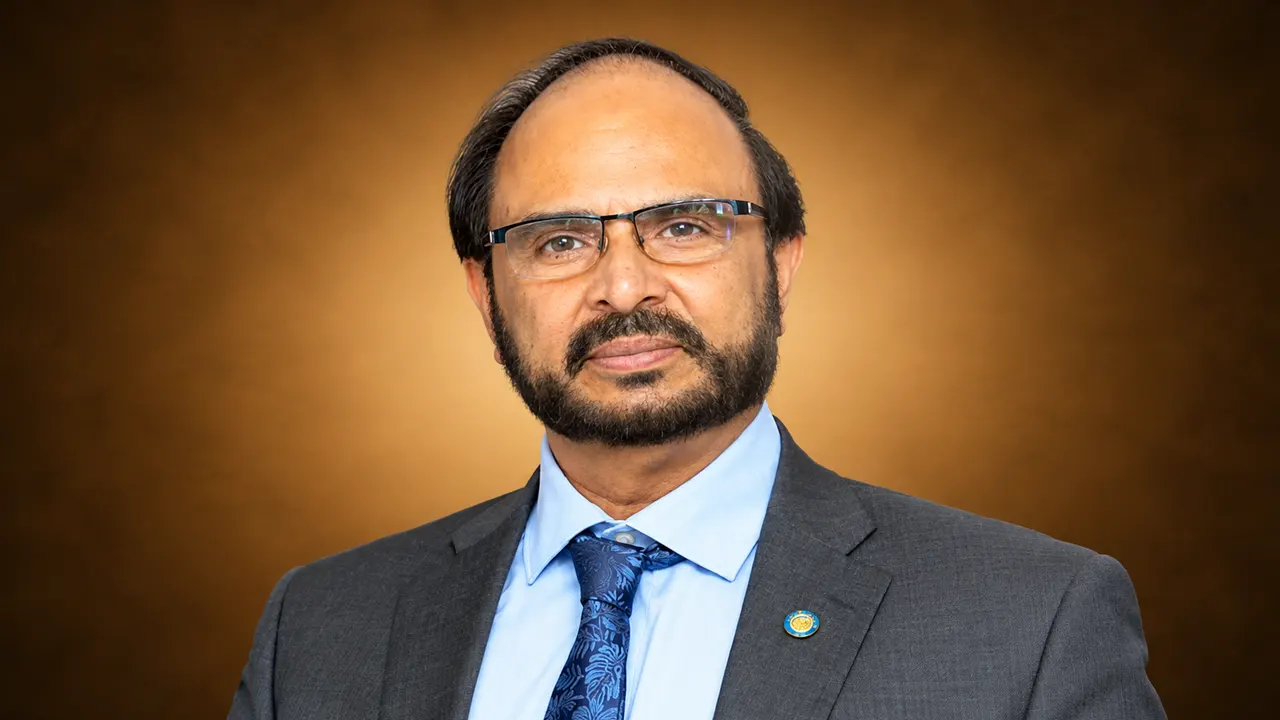
Dr. Naweed Imam Syed is a Pakistani-born neuroscientist and Professor of Medicine at the University of Calgary’s Cumming School of Medicine in Canada. He is internationally recognised for his research into brain development, communication between neurons, and the development of neuron-chip technology—an innovative approach that enables living brain cells to interact directly with electronic semiconductor chips. His academic background includes a BSc and MSc from the University of Karachi and a PhD in Neurophysiology from the University of Leeds, which he completed in 1988. His date of birth is not confirmed in the institutional biographies consulted, so it is not included here.
SCIENTIFIC PAKISTANI | THE LEADERSHIP ARCHIVES
Dr. Naweed Syed: The Scientist Connecting the Human Brain with Silicon Technology
Exploring the remarkable work of a Pakistani neuroscientist whose research is bringing living brain cells and electronic technology closer together.
A Pakistani Scientist Exploring the Frontiers of the Human Brain
Dr. Naweed Imam Syed has built an international reputation through his pioneering research in neuroscience and biomedical engineering. Based at the University of Calgary in Canada, his work focuses on understanding how brain cells develop, communicate, form connections and adapt throughout life.
His research addresses one of modern science's most fascinating challenges: understanding the complex communication system inside the human brain and exploring whether technology can interact directly with living neurons.
By combining neuroscience, cell biology and semiconductor engineering, Dr. Syed has helped advance the development of neuron-chip technology. His work has opened new research possibilities for studying brain activity, neurological disorders and future brain-machine interfaces.
The Neuron-Chip Breakthrough: Bringing Brain Cells and Computers Together
One of Dr. Syed's most significant scientific contributions is his work on connecting living brain cells with semiconductor chips.
The human brain contains billions of neurons that communicate through specialised electrical and chemical signals. Understanding these interactions is essential for studying memory, learning, movement and neurological diseases.
Traditional research methods have limitations when scientists attempt to monitor the activity of large networks of individual neurons. Dr. Syed and his collaborators explored a different approach: developing electronic chips capable of interacting directly with living brain cells.
Their research demonstrated that neurons could grow on semiconductor surfaces, establish connections with one another and communicate with electronic technology. This created an important foundation for the development of bionic hybrid systems in which biological and electronic components interact.
The University of Calgary describes this work as a major step towards brain-chip interfacing technologies. The research has potential applications in understanding brain function, investigating neurological conditions and developing future brain-controlled prosthetic devices.
How Brain-Chip Technology Could Transform Medicine
The significance of neuron-chip research extends beyond laboratory experiments.
By recording electrical signals from individual neurons and larger networks, researchers can investigate how brain cells respond to different conditions and how their communication changes during disease.
This technology could contribute to research into:
- Epilepsy: Studying abnormal electrical activity and exploring improved ways to detect and understand seizures.
- Brain injuries: Investigating how damaged neural networks function and how lost abilities might eventually be restored.
- Neurodegenerative disorders: Exploring changes in communication between brain cells associated with neurological diseases.
- Learning and memory: Understanding how connections between neurons develop and change over time.
- Brain-machine interfaces: Supporting the development of technologies that could connect biological neural activity with electronic devices.
These are research possibilities rather than established clinical treatments. The technology's future medical applications will require further scientific development, testing and clinical validation.
Understanding Neurodevelopment and Brain Plasticity
Although neuron-chip technology has attracted considerable attention, Dr. Syed's scientific interests extend much further.
His research programme investigates the cellular and molecular mechanisms responsible for nervous system development and synaptic plasticity.
Neurodevelopment describes how the nervous system forms and develops, while synaptic plasticity refers to the ability of connections between neurons to strengthen, weaken or change.
These processes are essential for learning, memory and the brain's ability to adapt to new experiences.
His laboratory investigates how neurons extend their projections, identify their targets and establish the connections needed to create functioning neural networks. Researchers also examine the genes and molecular pathways involved in these processes.
Another important area of his work concerns the influence of external factors, including certain anaesthetic agents, on communication between brain cells.
By studying these mechanisms, his research contributes to a deeper understanding of how the brain develops, operates and responds to injury or disease.
Building Research and Academic Leadership at the University of Calgary
Dr. Syed's contribution to science also includes years of academic and institutional leadership.
At the University of Calgary, he has served as Head of the Department of Cell Biology and Anatomy for approximately a decade. He has also held important research leadership responsibilities at the Hotchkiss Brain Institute.
His academic work has involved bringing together researchers from different scientific disciplines, including neuroscience, biomedical engineering and molecular biology.
This interdisciplinary approach is particularly important in modern brain research. Understanding the nervous system requires expertise in biology, medicine, engineering and advanced technology.
His involvement in university research initiatives has helped strengthen connections between scientific discovery, technology development and academic collaboration.
International Recognition and Scientific Achievements
Dr. Naweed Syed has received recognition for his contributions to neuroscience, biomedical research and innovation in Canada and Pakistan.
His honours and distinctions include:
- Tamgha-e-Imtiaz: A civilian honour awarded by the Government of Pakistan in recognition of his contributions.
- Canada-150 Medal: Recognition associated with Canada's 150th anniversary.
- Alfred P. Sloan Fellowship: An important research fellowship supporting scientific talent.
- Parker B. Francis Fellowship: Recognition connected with research development.
- Canadian Institute of Health Research (CIHR) Investigator Award: Recognition of his research contributions.
- Alberta Heritage Foundation for Medical Research Awards: Recognition for his scientific work in Alberta.
- Kotler Global Innovation Award: Recognition listed by the University of Calgary for novel technology development in 2019.
These honours reflect the international reach of his scientific and academic contributions. His work has also been recognised by Canadian and Pakistani academic and professional organisations.
Research Publications and Scientific Contributions
Dr. Syed's research covers several interconnected areas of neuroscience and biomedical engineering. His academic work includes investigations into neuronal communication, synapse formation, neurodevelopment, brain plasticity and neuron-chip technology.
Rather than focusing on a single discovery, his research programme has developed across multiple scientific questions:
Neuron-chip and brain-machine interfacing: Research into how living neurons can interact with semiconductor technology and how these systems can record and exchange signals.
Synaptic communication: Studies examining how neurons establish functional connections and communicate with neighbouring cells.
Neurodevelopment: Research into the molecular and cellular processes that guide the formation of neural networks.
Neuroplasticity: Investigations into how connections between brain cells change and contribute to learning and memory.
Neurotoxicity and anaesthetic effects: Research exploring how external substances and anaesthetic agents influence neuronal communication and cellular health.
His work demonstrates the importance of combining fundamental biological research with engineering innovation. His university profile provides access to his academic publications and research record.
A Message for the Next Generation of Pakistani Scientists
Dr. Naweed Syed's scientific journey highlights the value of curiosity, persistence and interdisciplinary thinking.
His work demonstrates that some of the most important scientific advances emerge when researchers are willing to explore questions beyond the boundaries of a single academic field. Connecting neuroscience with semiconductor engineering required an understanding of both living biological systems and electronic technology.
For young Pakistanis interested in science, his career offers an important lesson: scientific excellence is not limited by geographical boundaries. Pakistani researchers can contribute to international discoveries, lead major research programmes and develop technologies that may shape the future of medicine.
His achievements also underline the importance of investing in research institutions, supporting young scientists and creating opportunities for collaboration between universities, laboratories and industry.
The Legacy: Building a Bridge Between Biology and Technology
Dr. Naweed Syed represents a generation of Pakistani scientists whose work has contributed to important developments in international research.
His neuron-chip research has helped advance the possibility of direct interaction between living brain cells and electronic devices. At the same time, his wider work in neurodevelopment and synaptic plasticity continues to address fundamental questions about how the brain functions.
The ultimate medical applications of brain-machine technology remain an evolving area of research. Nevertheless, the scientific direction is significant: understanding the brain more precisely may one day help researchers develop better approaches to neurological disorders and the restoration of lost functions.
His journey is a reminder that the future of science belongs to those who dare to connect ideas, disciplines and possibilities that once seemed impossible