

KP Political Crisis: What the Emergency Means for Pakistan
Published On 17 Oct 2026
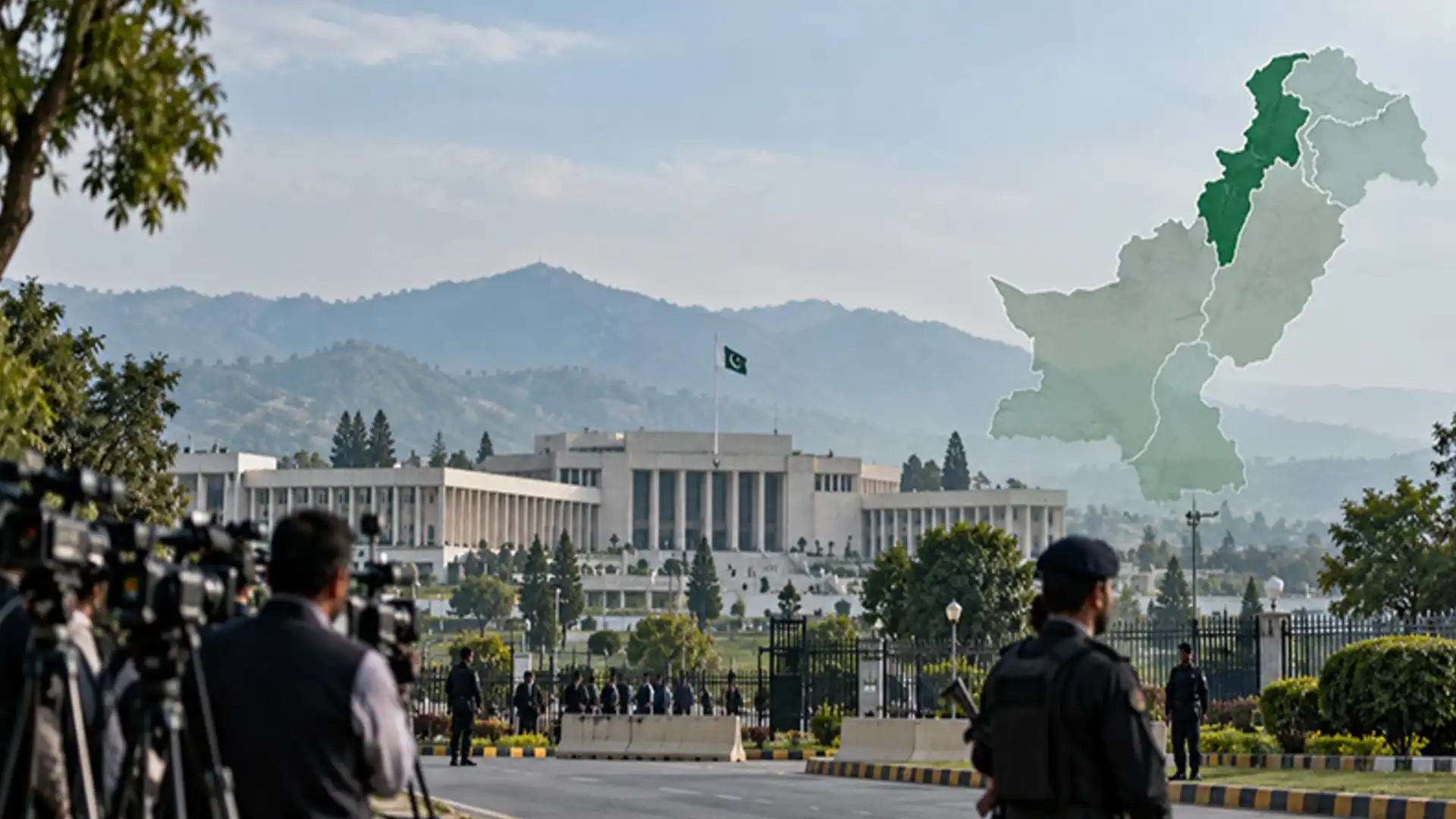
The political situation in Khyber Pakhtunkhwa (KP) has become a major issue in Pakistan after President Asif Ali Zardari declared a state of emergency in the province on October 11, 2026.
The decision suspended the PTI-led provincial government and introduced governor's rule. The federal government said the move was necessary because of growing security concerns and the need to address terrorism in the province.
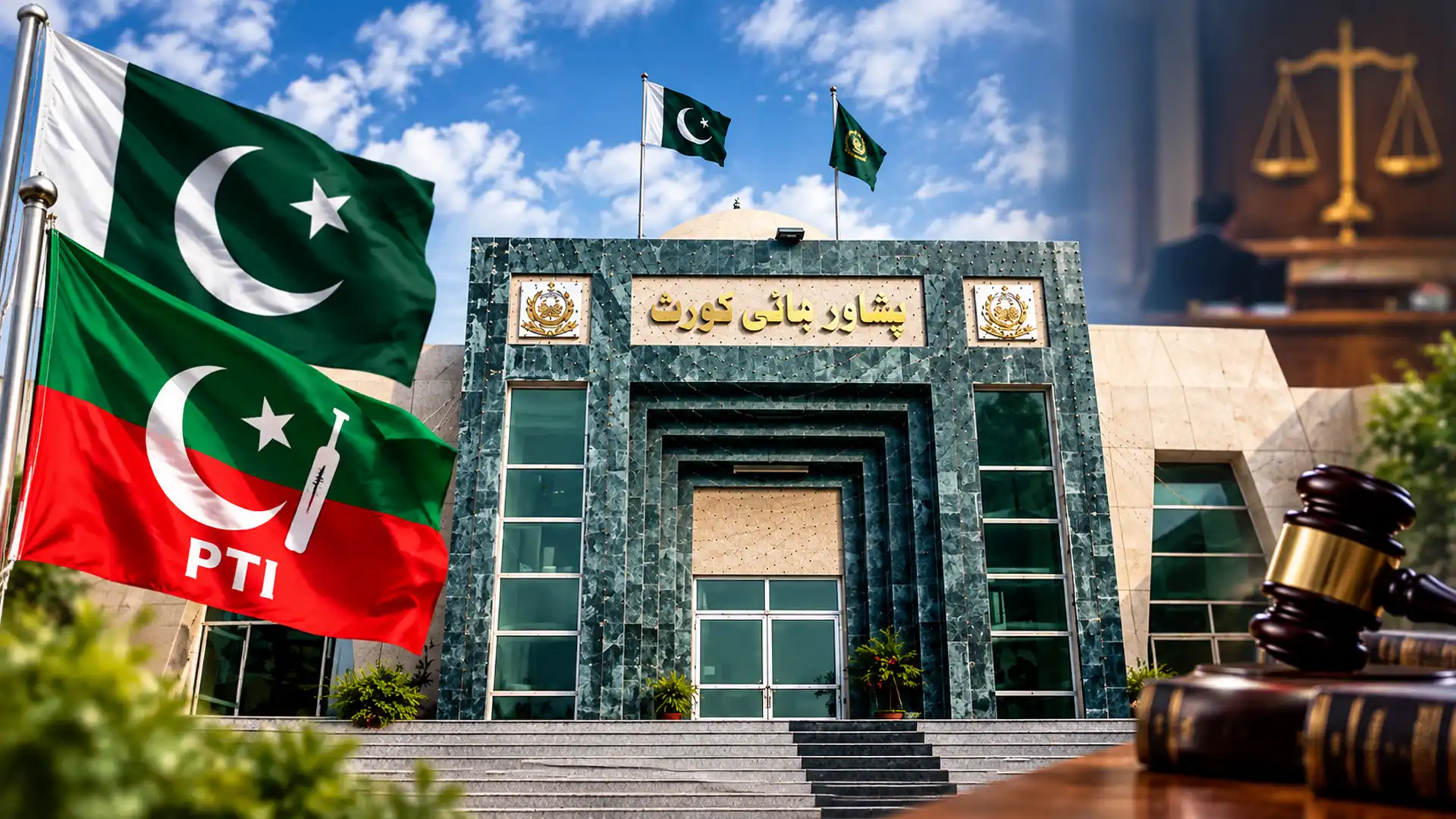
On October 14, Pakistan's National Assembly approved the emergency proclamation. The decision has increased political tensions between the federal government and Pakistan Tehreek-e-Insaf (PTI). While the federal government has defended the move on security grounds, PTI has opposed it and challenged the decision in court.
The situation has raised important questions about provincial government, public safety, constitutional powers, and the future of political relations in Pakistan. Understanding these developments can help citizens see why the issue matters beyond Khyber Pakhtunkhwa.
Why Has an Emergency Been Declared in KP?
The federal government has linked the emergency to security concerns and the need for stronger action against militant violence. Officials have argued that the province needs better coordination between government departments and law enforcement agencies to deal with terrorism.
Khyber Pakhtunkhwa shares a border with Afghanistan and has faced serious security challenges in several areas. Terrorist attacks and threats to public safety have made law and order an important issue for residents and government institutions.
Federal officials have criticised the former provincial administration's response to these challenges. PTI has rejected the government's position and disputed the reasons behind the emergency.
This disagreement has added to existing political tensions. The two sides have different views about the province's security situation and the reasons for the federal government's intervention.
What Does an Emergency Mean for the Provincial Government?
A state of emergency can change how government powers are exercised. In Khyber Pakhtunkhwa, the emergency proclamation was accompanied by governor's rule, which transferred provincial executive authority from the previous chief minister and cabinet to the governor under the announced arrangement.
The federal government has established an advisory council to assist with provincial administration. This means that important government decisions are being handled through a different administrative structure.
The situation involves constitutional provisions, including Articles 232 and 234 of Pakistan's Constitution. These provisions deal with emergency powers and situations involving the failure of constitutional machinery in a province.
However, these powers are subject to constitutional requirements and procedures. Their application, duration, and legal limits are important matters for public discussion and possible judicial review.
An emergency does not automatically mean that all public services must stop. Government departments may continue operating, although their leadership, responsibilities, and decision-making processes can change.
How Could the Emergency Affect Ordinary Citizens?
Political developments are important, but their effects on daily life are often the main concern for ordinary people. Residents of Khyber Pakhtunkhwa may want to know whether the situation will affect their safety, education, healthcare, transport, or access to public services.
1. Public Safety and Security
Security is one of the main issues behind the emergency. Federal officials have said that stronger coordination is needed to address terrorism and maintain law and order.
For local residents, the key question is whether these measures will improve safety in their communities. The actual impact will depend on how security operations are managed, how authorities respond to threats, and whether people receive clear and reliable information.
Residents should follow official safety instructions and avoid sharing unverified reports about security incidents.
2. Education and Healthcare Services
Students and families may be concerned about possible changes to school schedules, university activities, and healthcare services. However, an emergency declaration alone does not confirm that educational institutions or hospitals will close.
Students should follow official announcements from their schools, colleges, and universities. Patients should also check notices from hospitals and health departments before changing planned visits.
Clear communication from the relevant authorities can help families make informed decisions and avoid unnecessary confusion.
3. Public Administration and Government Services
Changes in provincial leadership can affect how decisions are made and how government departments receive instructions. People may have questions about local development projects, public complaints, financial assistance, and other government services.
The effect on each service will depend on the decisions taken by the relevant authorities. Residents should look for official notices before assuming that a particular service has been suspended or changed.
What Is the Political Disagreement Between the Federal Government and PTI?
The disagreement involves security policy and the constitutional relationship between the federal government and the province.
The federal government maintains that the emergency was necessary because of security concerns and what it describes as shortcomings in the provincial administration's response to terrorism. Officials have presented the decision as a step to address serious challenges.
PTI has opposed the intervention, arguing that it undermines the authority of its elected provincial government. The party has also challenged the emergency in court, raising questions about its legality and political purpose.
These competing positions reflect a wider debate about how Pakistan should manage security challenges while protecting constitutional procedures and representative government.
The dispute may continue through court proceedings, parliamentary discussions, and negotiations between political leaders. The outcome will depend on the relevant legal processes and decisions by the institutions involved.
For readers following these developments, 9 News HD provides coverage of national politics, government decisions, and other important issues affecting Pakistan.
You can visit the 9 News HD website for more news and updates.
What Happens Next in Khyber Pakhtunkhwa?
Several developments will be important in the coming days and weeks.
Legal Challenges and Constitutional Questions
PTI has challenged the emergency decision in court. Legal proceedings could help clarify how the relevant constitutional provisions apply and whether the required procedures have been followed.
Court decisions may also affect the duration and operation of the emergency arrangements. The legal position will become clearer as the proceedings develop.
Changes in Provincial Administration
The new administrative arrangement will show how provincial departments operate under governor's rule. Official announcements will be important for understanding any practical changes to government services, departmental responsibilities, and local administration.
Citizens should rely on verified notices when checking whether a particular government service or programme has changed.
Political Dialogue Between the Parties
Discussions between the federal government, PTI, and other political leaders could influence how the disagreement develops. Dialogue may provide an opportunity to address concerns about security, provincial authority, and the constitutional process.
However, any agreement or change in the current arrangement will depend on the decisions made by the parties and the relevant institutions.
The Security Situation
The province's security situation will remain a major concern. Residents will want to see whether the authorities can protect communities, respond to militant threats, and maintain essential public services.
The effectiveness of security measures will need to be assessed through verified developments rather than political statements alone.
For further reporting, readers can follow the latest KP political developments to learn more about the ongoing debate and calls for political dialogue.
Why Does the KP Emergency Matter for Pakistan?
The situation matters beyond one province because it raises questions about public safety, constitutional powers, and the balance between federal and provincial authority.
Khyber Pakhtunkhwa plays an important role in Pakistan's political and security landscape. Decisions affecting its administration can influence national political discussions and relations between different levels of government.
For students, the situation provides an example of how constitutional rules operate during a political dispute. For families and business owners, the main concerns may be security, stable public services, and economic activity. For political observers, the legal and parliamentary developments will remain important.
The situation also shows why verified news matters. Political statements can present different interpretations of the same event, so readers should consider official announcements, court decisions, and responses from the parties involved before reaching conclusions.
Conclusion
The emergency declared in Khyber Pakhtunkhwa has created a significant political and constitutional debate in Pakistan. The federal government has cited security concerns, while PTI has challenged the decision and raised questions about provincial authority.
The coming developments will help determine how the province is administered, how legal questions are resolved, and whether political dialogue can reduce tensions. Meanwhile, residents should rely on official announcements for information about public services and security measures.
For readers who want to stay informed, 9 News HD will continue to cover important political developments and updates affecting Pakistan. Following verified reports can help citizens understand the situation and its possible effects on their daily lives.