


Middle East Crisis Deepens as Hormuz Tensions Rise and Gaza Airstrikes Continue
Published On 12 Apr 2026
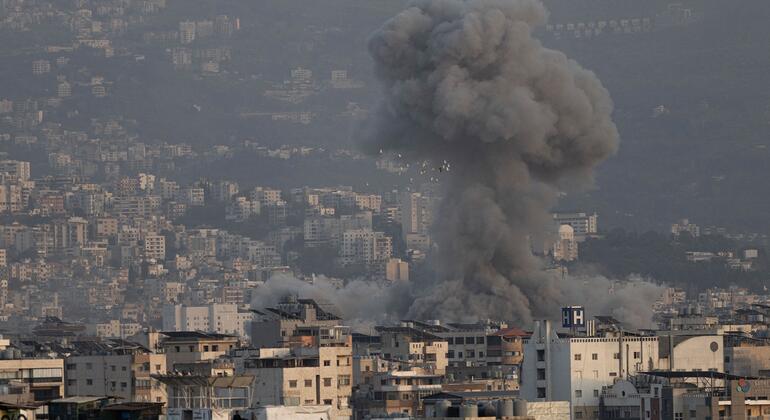
The geopolitical situation in the Middle East is becoming increasingly complex as tensions in the Strait of Hormuz escalate while violence continues in Gaza. Recent developments reported by 9 News HD highlight how global security, energy supply, and humanitarian concerns are all interconnected in this ongoing crisis.
Iran Proposes Reopening Strait While Delaying Nuclear Talks
According to recent updates, Iran has signaled a willingness to ease tensions by proposing steps toward reopening the strategically vital Strait of Hormuz. However, this move comes with a significant condition delaying progress on nuclear negotiations.
The Strait of Hormuz is one of the world’s most critical oil routes, carrying nearly a fifth of global oil supply. Ongoing conflict and blockades have disrupted shipping, increased oil prices, and raised global economic concerns.
Reports suggest that Iran is attempting to balance economic pressure with political leverage by prioritizing maritime stability while keeping nuclear discussions on hold. This reflects the broader power struggle shaping the region.
Turkey May Join Demining Operations
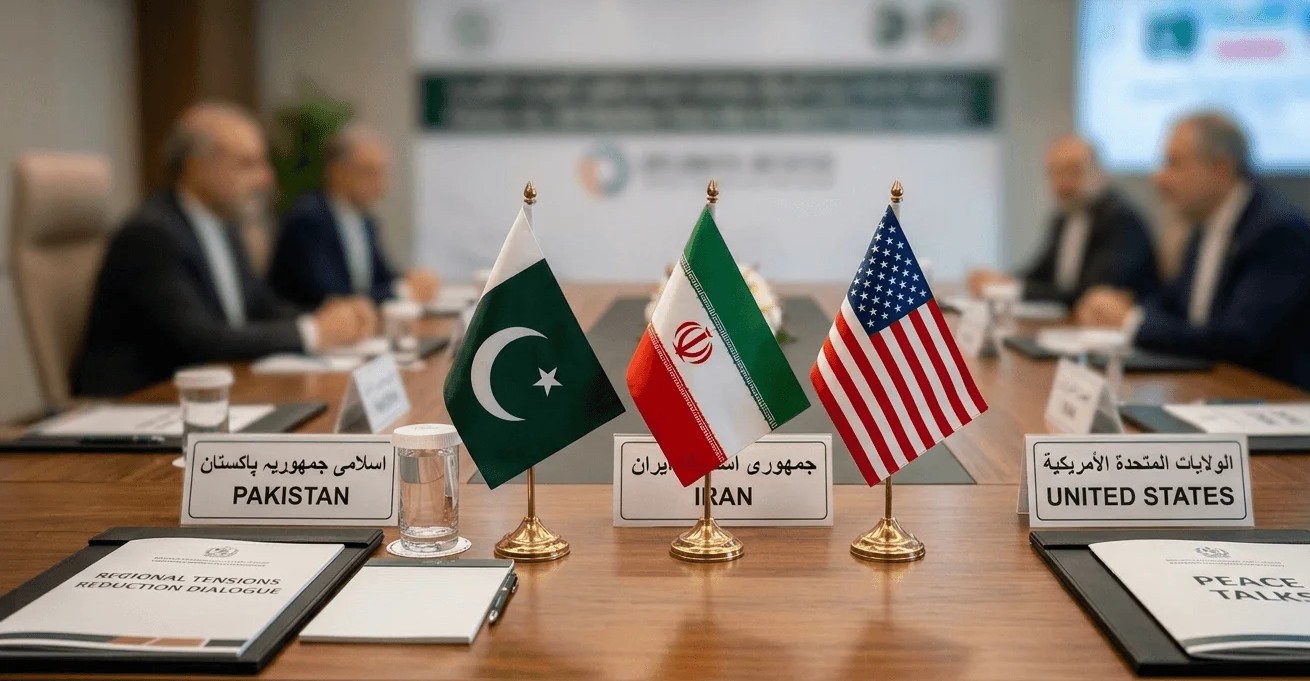
In a related development, Turkey May Take Part in Strait of Hormuz Demining Operations, as Turkish officials have indicated their possible involvement in future efforts to clear the vital waterway. Officials stated that such participation would likely depend on a potential agreement between Iran and the United States.
According to authorities, Turkey views demining as a humanitarian effort aimed at restoring safe navigation for global trade. The presence of naval mines has been a major obstacle to reopening the strait fully, and clearing these hazards could take months while requiring strong international cooperation, further highlighting the scale of the crisis.
Global Impact of the Hormuz Crisis
The situation in the Strait of Hormuz is not just a regional issue it has global consequences. Disruptions in this key waterway have already caused oil prices to surge and created uncertainty in international markets.
Recent reports indicate that military tensions, including ship seizures and naval deployments, have significantly reduced maritime traffic in the area.
As long as the crisis continues, the world economy remains vulnerable to sudden shocks, particularly in energy supply.
Gaza Airstrikes Add to Regional Instability
While tensions rise in the Gulf, the humanitarian situation in Gaza continues to worsen. Reports indicate that at least 13 people were killed in recent Israeli airstrikes, adding to the growing civilian toll.
The ongoing conflict has intensified fears of a broader regional escalation, as multiple fronts remain active simultaneously. The continued violence highlights the urgent need for diplomatic efforts to prevent further loss of life.
A Region on the Brink
The combination of Hormuz tensions and Gaza violence paints a picture of a region under severe strain. Diplomatic negotiations remain fragile, while military actions continue to dominate the situation.
Conclusion
From Iran’s strategic proposals to Turkey’s potential involvement and the tragic events in Gaza, the Middle East remains at a critical turning point. The coming weeks will be crucial in determining whether diplomacy can prevail or if tensions will escalate further.
Stay connected with 9news HD for the latest updates, expert insights, and comprehensive coverage of international news. For readers following these developments, our blog section on 9news HD provides continuous updates and in-depth analysis of global events shaping the future.