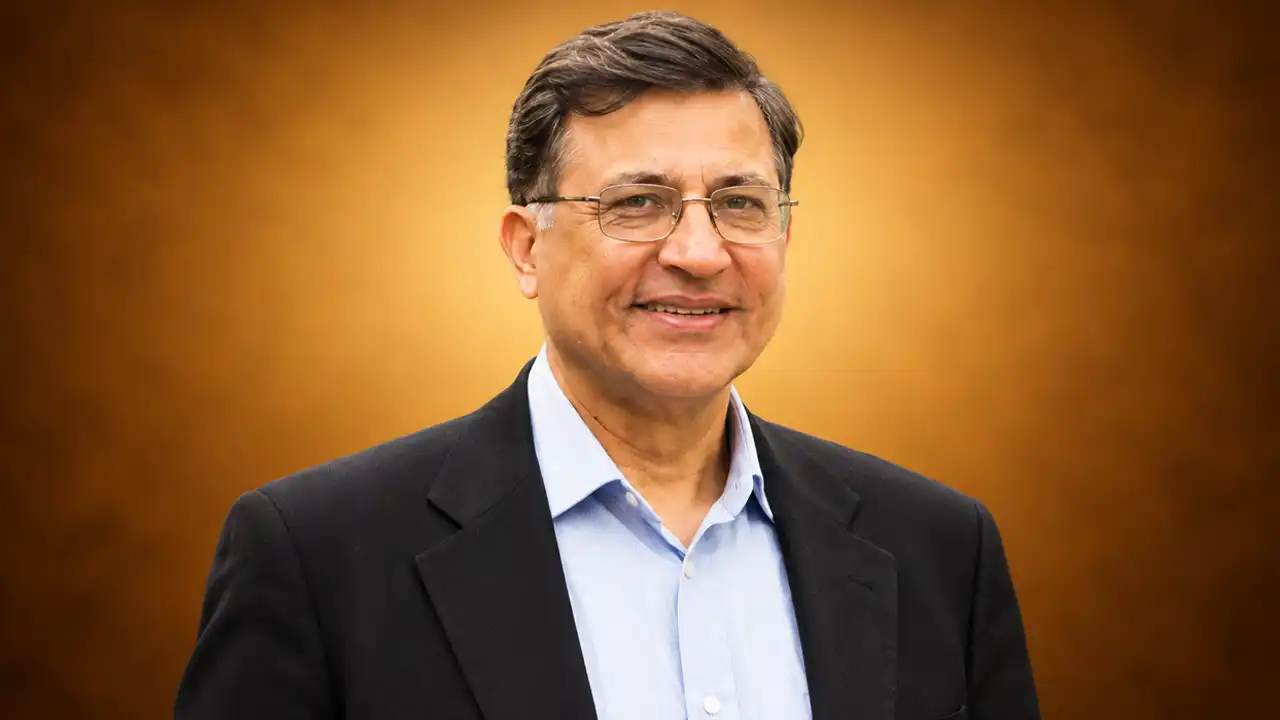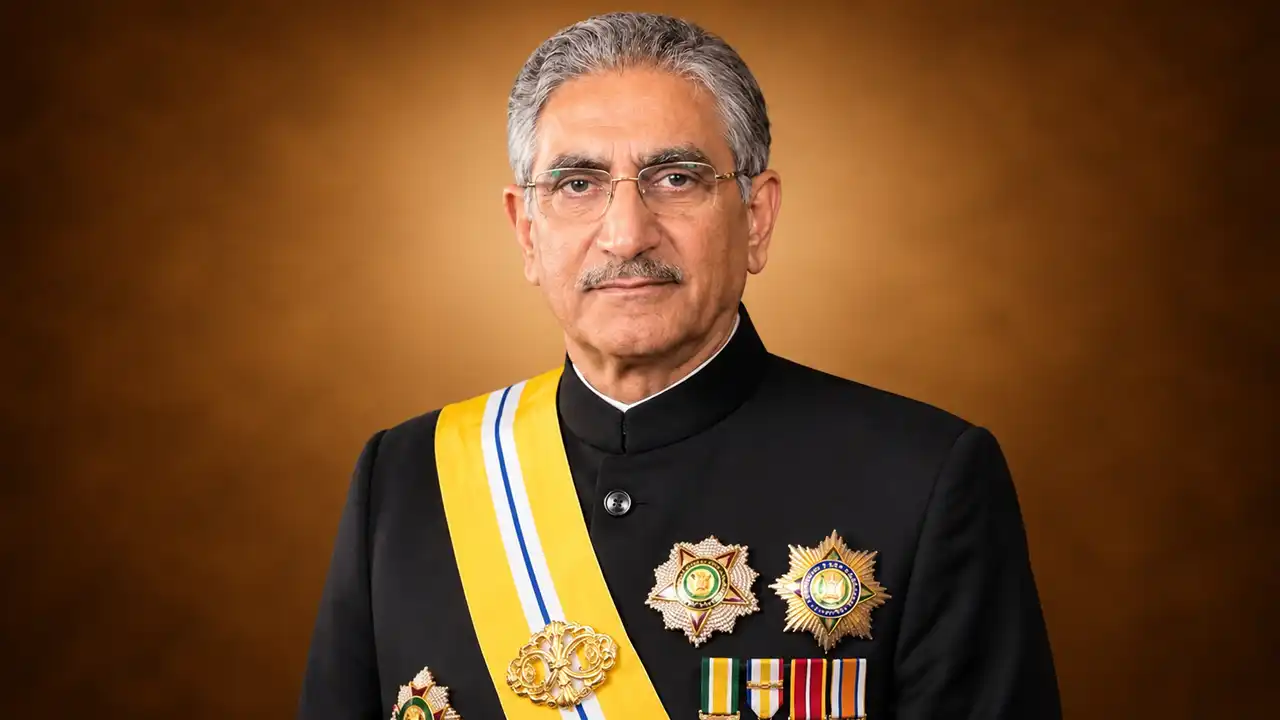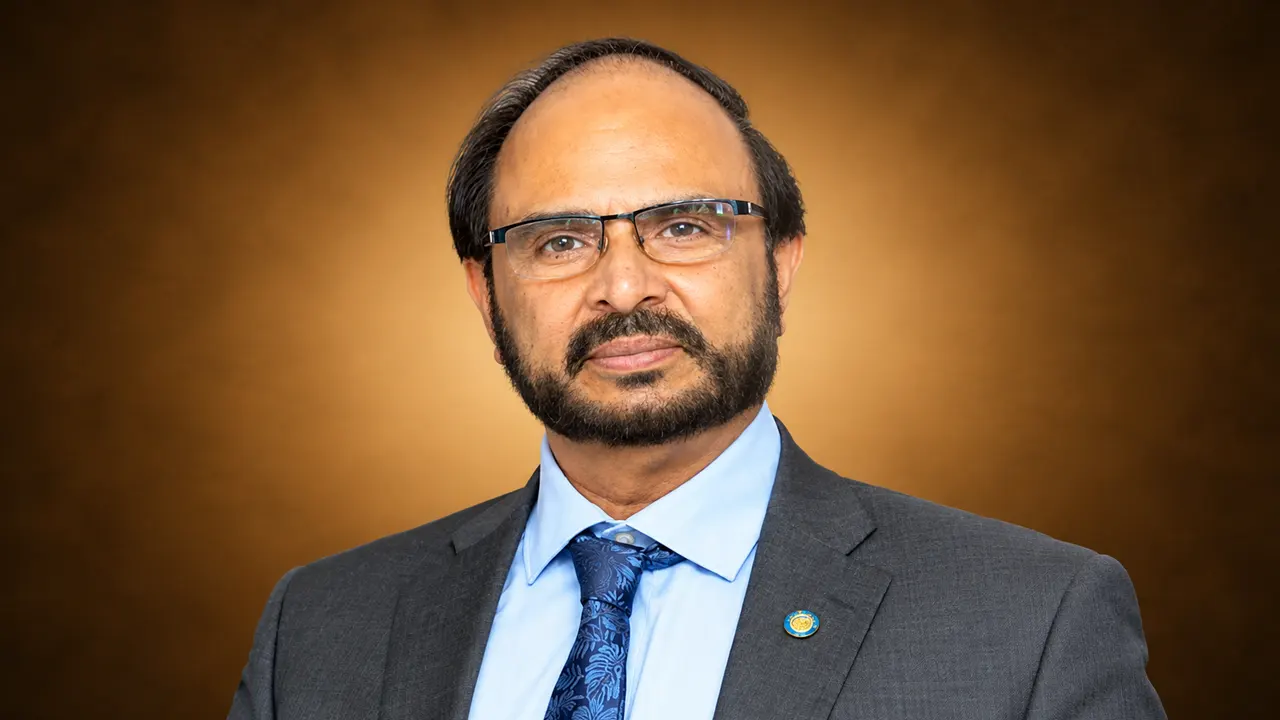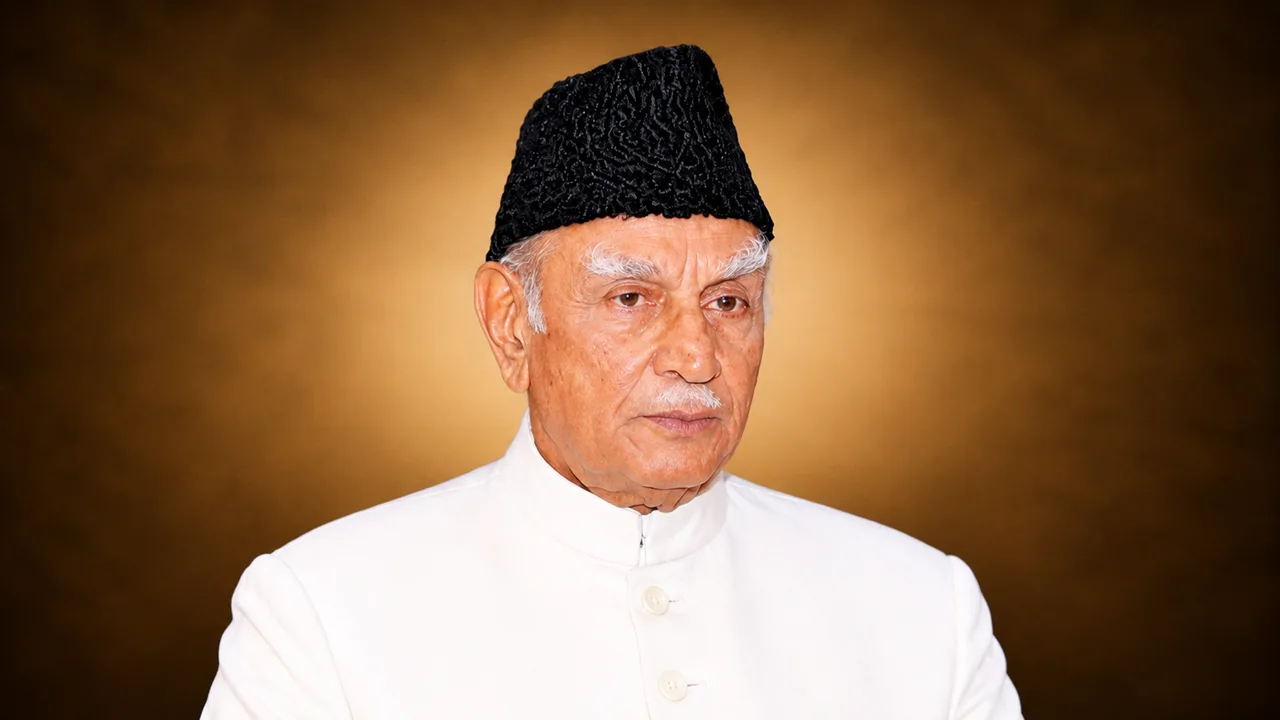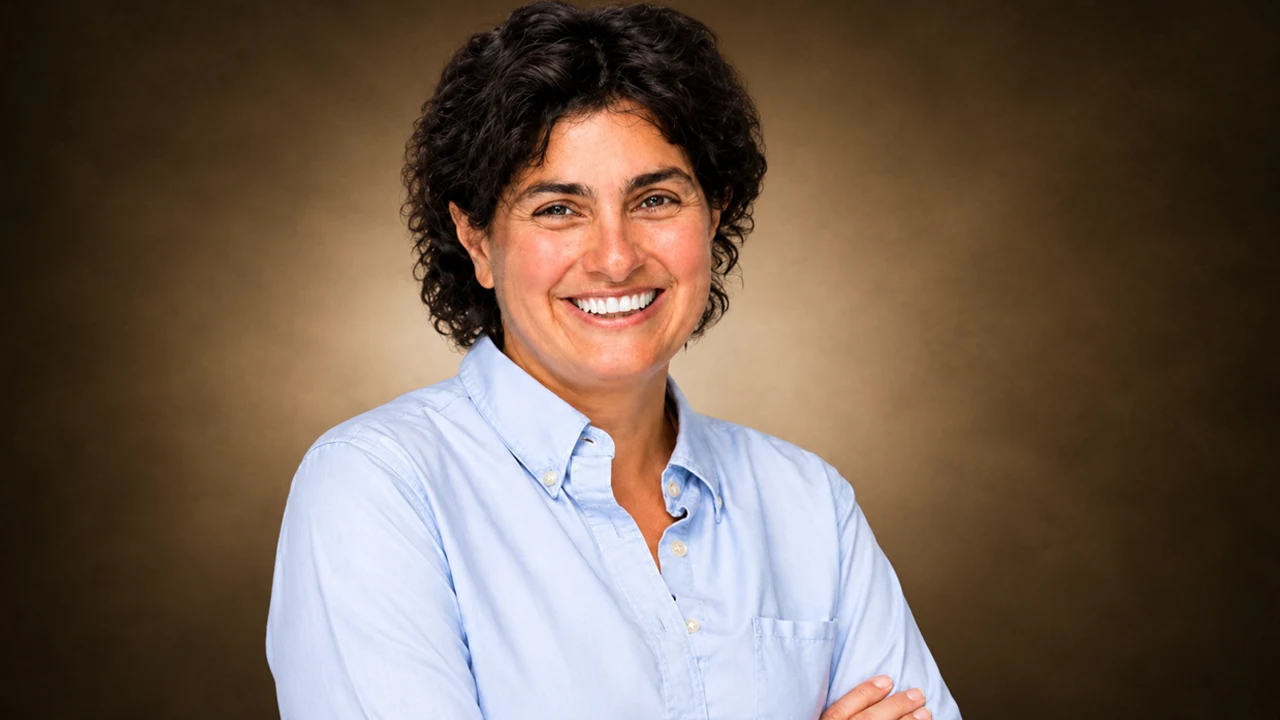


Dr. Asad Abidi
Published On 20 Nov, 2026
SCIENTIFIC PAKISTANI | THE LEADERSHIP ARCHIVES
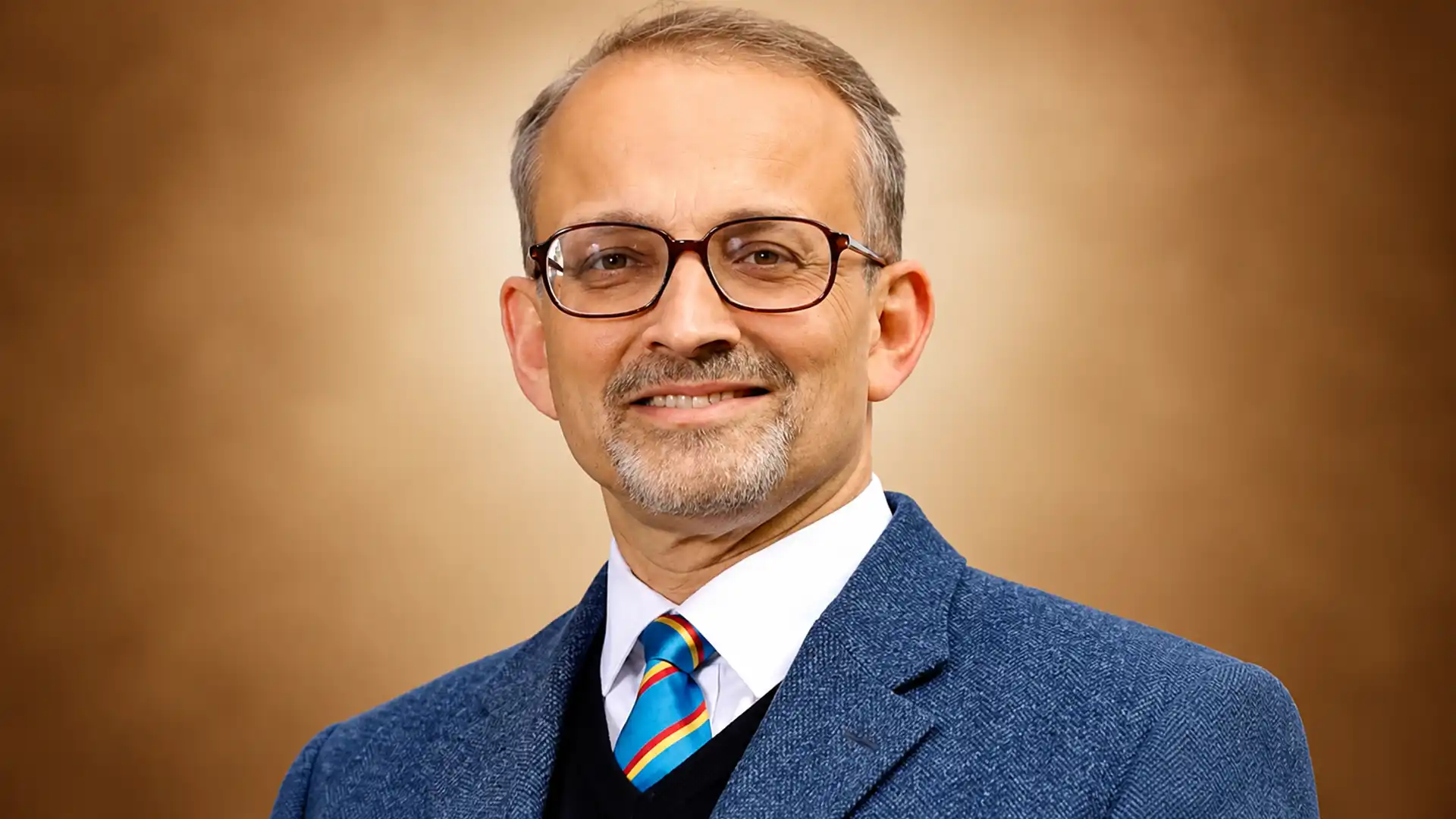
Dr. Asad Abidi: The Pakistani-American Engineer Who Helped Transform Wireless Communication
Dr. Asad Ali Abidi is a distinguished Pakistani-American electrical engineer whose pioneering research in radio-frequency CMOS (RF-CMOS), analog integrated circuits, and wireless communication has helped shape modern electronic technology. As a Distinguished Chancellor’s Professor at the University of California, Los Angeles (UCLA), a member of the US National Academy of Engineering, and the inaugural holder of the Abdus Salam Chair at LUMS, he has made lasting contributions to the design of radio circuits used in mobile phones and wireless devices around the world.
Introduction: An Engineer Behind Modern Wireless Technology
Dr. Asad Abidi is recognised internationally for changing how engineers design the electronic circuits that power wireless communication.
His research helped establish the use of CMOS technology in radio-frequency circuits, making it possible to integrate important radio functions onto small, low-cost semiconductor chips.
Before these developments, many radio-frequency systems relied on specialised components and manufacturing processes that made devices more complex and expensive. Abidi's work helped demonstrate that CMOS, a technology already widely used in digital electronics, could also support high-performance radio circuits.
This breakthrough contributed to the development of compact wireless devices and more affordable communication technology.
His career reflects the importance of fundamental engineering research, creative circuit design, and collaboration between universities and the technology industry.
Early Life and Academic Foundation
Asad Ali Abidi was born on July 12, 1956, in Pakistan. He developed an interest in science and engineering that eventually led him to pursue higher education in the United Kingdom and the United States.
He attended Imperial College London, where he completed his Bachelor of Science degree with honours in Electrical Engineering in 1976.
He then moved to the United States to continue his education at the University of California, Berkeley.
At Berkeley, he earned:
- Master of Science in Electrical Engineering in 1978.
- PhD in Electrical Engineering in 1981.
His academic training provided a strong foundation in semiconductor electronics, integrated circuits, and advanced circuit design.
Bell Laboratories: Beginning a Career in Advanced Electronics
After completing his doctorate, Abidi joined Bell Laboratories in Murray Hill, New Jersey, in 1981.
He worked as a Member of the Technical Staff in the Advanced LSI Development Laboratory until 1984.
During this period, his work involved advanced MOS integrated circuits, particularly high-speed electronics for optical-fibre communication systems.
Bell Laboratories was an important centre of innovation in telecommunications and electronic engineering. Working there exposed Abidi to demanding research problems and an environment where theoretical ideas could be developed into practical technologies.
This experience helped prepare him for the research that would later transform radio-frequency integrated circuit design.
The RF-CMOS Revolution: A Major Scientific Contribution
One of Abidi's most influential contributions was his pioneering work in radio-frequency CMOS technology.
CMOS, short for complementary metal-oxide-semiconductor, is a technology used to manufacture integrated circuits. It became the foundation of modern microprocessors, memory chips, and many other electronic systems.
However, designing high-performance radio-frequency circuits using CMOS presented significant technical challenges.
Radio-frequency circuits must process high-frequency signals while controlling noise, power consumption, and interference. For many years, engineers relied heavily on specialised semiconductor technologies for these functions.
Abidi's research helped demonstrate that CMOS could be used effectively for radio-frequency applications.
His work during the late 1980s and early 1990s helped establish important design principles for RF-CMOS integrated circuits.
The wider impact was significant:
- Smaller Electronics: More radio functions could be integrated into compact semiconductor chips.
- Lower Manufacturing Costs: CMOS benefited from large-scale semiconductor manufacturing.
- Reduced Power Requirements: Improved circuit architectures supported more efficient wireless devices.
- Greater Integration: Radio-frequency and digital functions could be brought closer together on integrated platforms.
- Wireless Expansion: The technology helped make increasingly affordable mobile and wireless communication systems possible.
By the late 2000s, RF-CMOS had become a dominant technology for radio-frequency front ends in mobile phones and wireless networking devices.
Analog Integrated Circuits: Improving Electronic Performance
Another important area of Abidi's research is analog integrated circuit design.
Analog circuits process continuously changing electrical signals. They are essential for converting real-world information, such as sound, temperature, and radio waves, into signals that electronic systems can understand and process.
His research has focused on improving the performance of these circuits through better architectures, lower noise, greater speed, and more efficient use of semiconductor technology.
His work covers several major areas:
Radio-Frequency Integrated Circuits: Designing circuits that transmit and receive wireless signals.
High-Speed Analog Circuits: Developing electronic systems capable of processing signals at very high frequencies.
Data Conversion: Improving analog-to-digital and digital-to-analog conversion, which allows electronic devices to move between real-world signals and digital information.
Signal Processing: Developing circuit techniques that improve the accuracy and efficiency of electronic systems.
Circuit Design Theory: Exploring the fundamental principles that guide the design of reliable and high-performance integrated circuits.
These research areas are essential to modern communication systems, scientific instruments, and advanced electronic devices.
UCLA: Building an International Research Legacy
In 1985, Abidi joined the Department of Electrical Engineering at the University of California, Los Angeles.
He progressed through academic positions and became one of the university's leading researchers in integrated circuit design.
He was named a Distinguished Chancellor's Professor in 2011.
At UCLA, his research and teaching have focused on analog and RF integrated circuits, circuit design theory, and advanced electronic systems.
Through his work with graduate students and fellow researchers, he has helped develop new radio architectures and circuit techniques that support modern wireless communication.
His academic career also reflects a strong commitment to training future engineers and researchers.
LUMS: Strengthening Engineering Education in Pakistan
Abidi has maintained a significant academic connection with Pakistan through the Lahore University of Management Sciences (LUMS).
From 2007 to 2009, he served as the founding dean of the School of Science and Engineering at LUMS.
His leadership helped establish the academic foundations of a new engineering and science institution in Pakistan.
In 2017, he became the inaugural holder of the Abdus Salam Chair at LUMS.
The chair recognises the legacy of Nobel laureate Dr. Abdus Salam and supports the advancement of scientific research and education in Pakistan.
Through this role, Abidi has continued to contribute to the country's academic development and international research connections.
His work at LUMS represents an important link between Pakistan's higher education system and leading global engineering institutions.
Leadership in the Global Engineering Community
Beyond his university research, Abidi has held important positions in the international engineering community.
He served as Editor-in-Chief of the IEEE Journal of Solid-State Circuits from 1992 to 1995.
This journal is one of the leading academic publications in integrated circuit research.
His editorial responsibilities involved supporting the publication and evaluation of important research in semiconductor technology and circuit design.
He has also contributed to major international conferences and professional organisations, including the Institute of Electrical and Electronics Engineers (IEEE).
His involvement helped strengthen the exchange of scientific ideas among researchers working in semiconductor technology and electronic engineering.
Awards and International Recognition
Dr. Asad Abidi has received numerous awards and professional honours for his contributions to electrical engineering and integrated circuit technology.
His major recognitions include:
- IEEE Fellow (1996): Recognised for his contributions to integrated circuit design.
- IEEE Donald G. Fink Prize (1997): Awarded for an outstanding technical publication.
- IEEE Third Millennium Medal (2000): Recognition of his contributions to the engineering profession.
- Member of the US National Academy of Engineering (2007): Elected for his achievements in engineering.
- IEEE Donald O. Pederson Award in Solid-State Circuits (2008): Recognised for pioneering and sustained contributions to RF-CMOS technology.
- Fellow of The World Academy of Sciences (2009): Recognition of his scientific and engineering contributions.
- UCLA Chancellor's Professor (2011): Academic distinction recognising his outstanding scholarship.
- ISSCC Outstanding Contributor (2013): Recognised among the leading contributors during the conference's first 60 years.
- UC Berkeley Distinguished EECS Alumnus (2015): Honoured for his achievements in electrical engineering and computer sciences.
These awards reflect his influence on both the academic study and practical development of modern electronics.
A Message for the Next Generation of Pakistani Engineers
Dr. Asad Abidi's career offers an important lesson for young engineers: major technological advances often begin with questioning existing design limitations.
His work demonstrates that progress does not always require inventing an entirely new technology. Sometimes, it comes from discovering new ways to use existing technologies and improving them through careful research.
For Pakistani students interested in electrical engineering, electronics, telecommunications, and semiconductor technology, his journey highlights the importance of strong mathematical foundations, practical experimentation, and independent thinking.
His professional connection with LUMS also demonstrates the value of sharing international research experience with Pakistan's next generation of scientists and engineers.
Conclusion: An Engineer Who Helped Connect the World
Dr. Asad Abidi's contributions to RF-CMOS and analog integrated circuit design have helped shape the technological foundations of modern wireless communication.
From his academic training at Imperial College London and UC Berkeley to his research at Bell Laboratories and UCLA, his career reflects decades of innovation in electrical engineering.
His work has influenced how radio circuits are designed, manufactured, and integrated into everyday electronic devices.
Through his research, teaching, professional leadership, and contribution to LUMS, he has also helped strengthen the global presence of Pakistani engineering talent.
His legacy demonstrates how fundamental engineering research can move beyond laboratories and become part of technologies used by billions of people around the world