
Iran says it is in 'full-scale war' with US
Published On 21 Jul, 2026
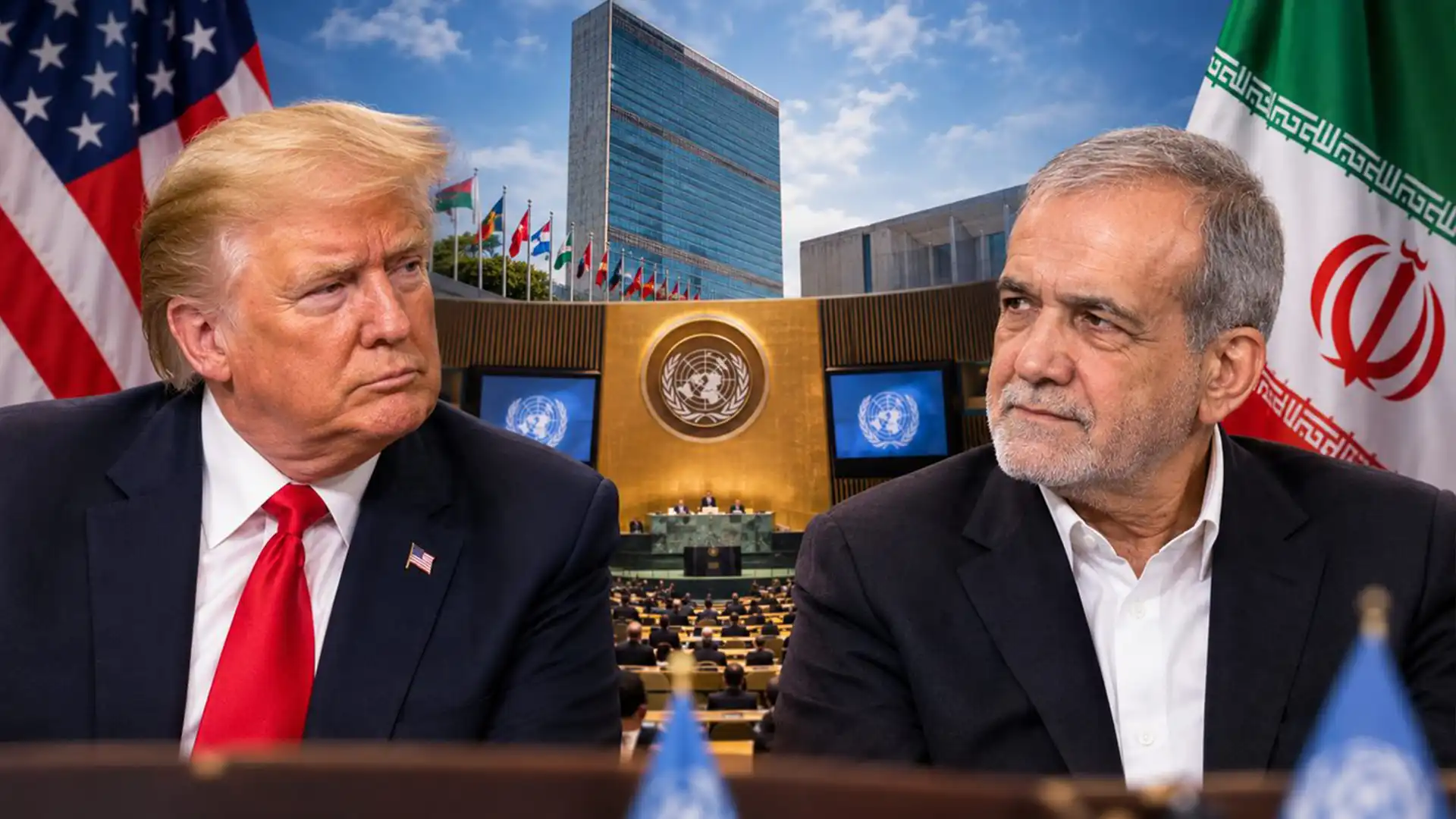
Iran is fighting a "full-scale war" with the United States, its president said Monday, as Washington expanded its strikes across the Islamic republic.
The declaration came as Tehran's Yemeni allies, the Houthi rebels, threatened to expand the war yet further by announcing they would blockade Saudi ports, putting at risk Riyadh's ability to bypass the Strait of Hormuz for some of its oil exports.
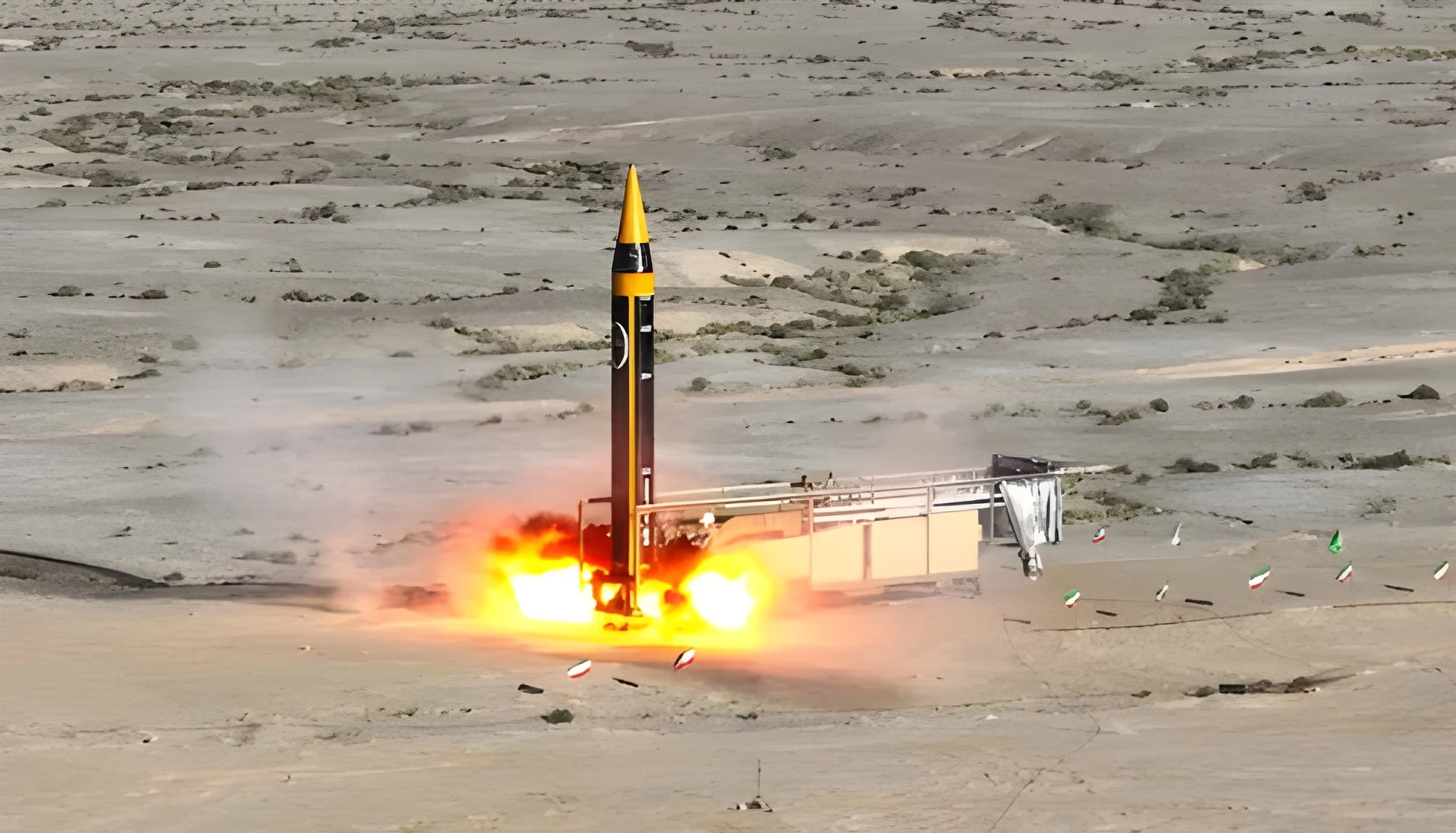
Throughout the war, which began in late February, Iran has targeted what it says are US assets across the region, with the Revolutionary Guards saying on Monday they hit targets in Bahrain, Jordan and Syria, but so far the Houthis have stayed on the sidelines.
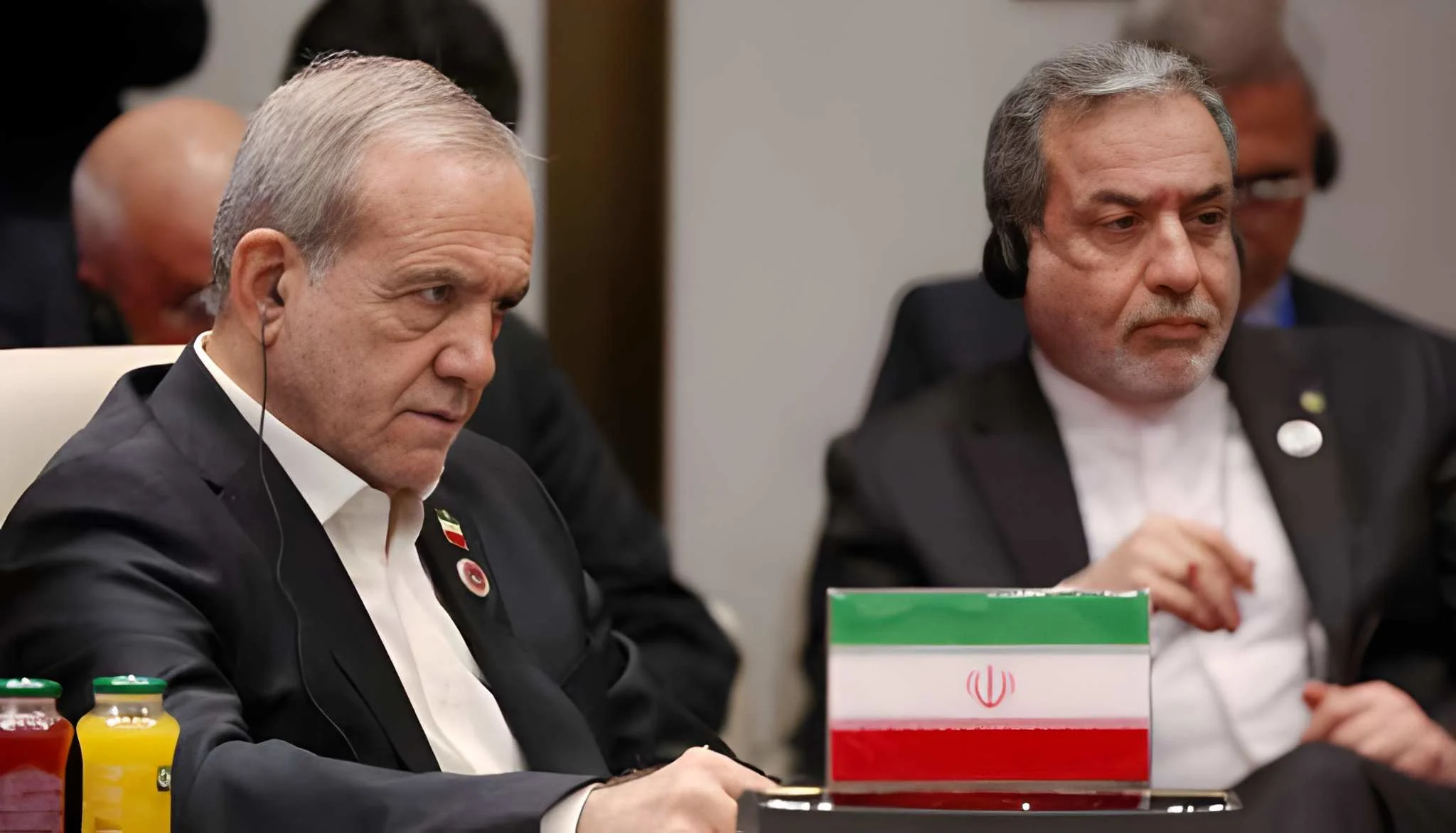
"The reality is that today the Islamic Republic of Iran is engaged in a full-scale war," President Masoud Pezeshkian said, according to a presidency statement.
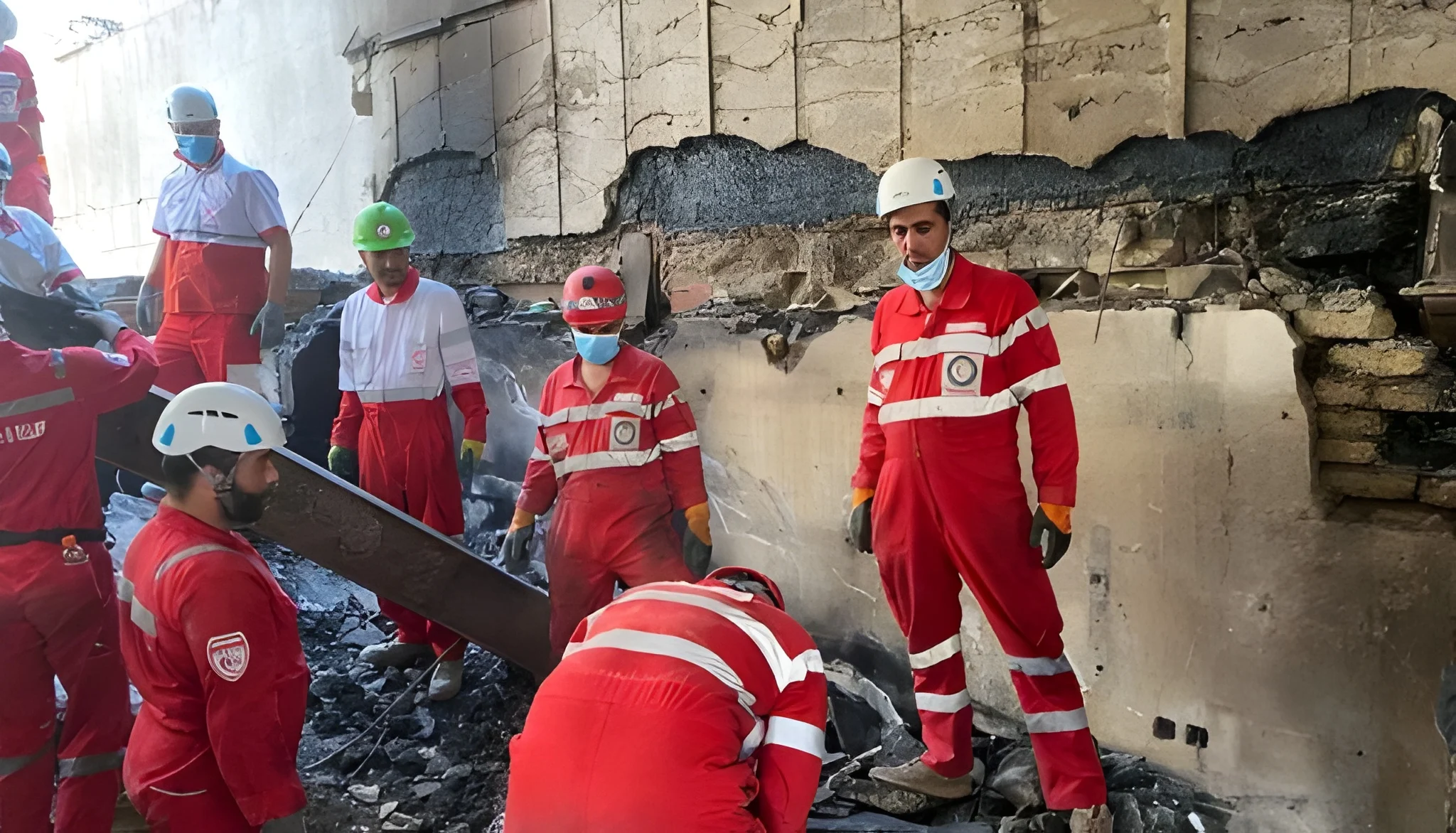
His comments came after state media and local authorities reported US strikes on Monday in the north and centre of the country.
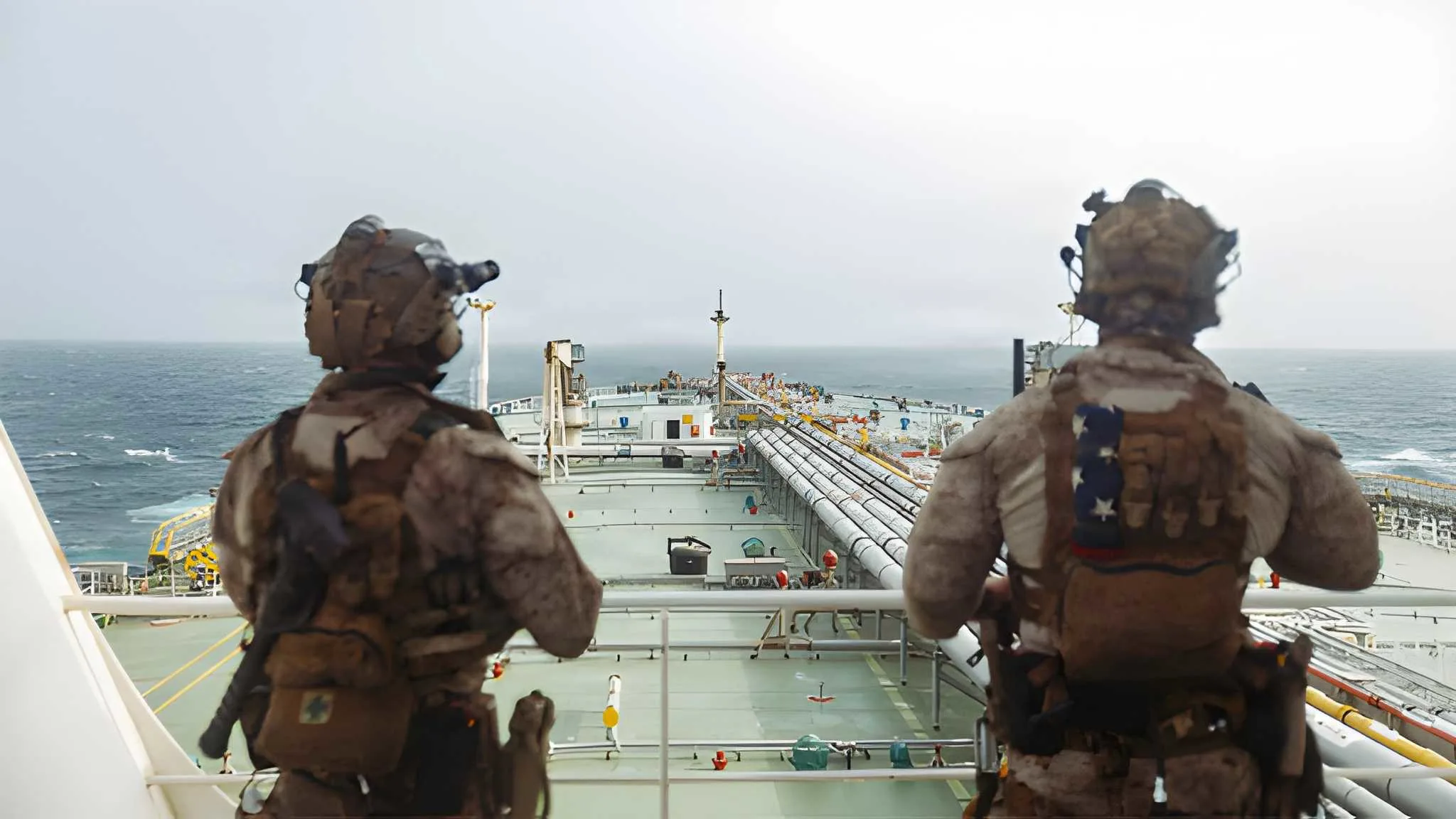
The Middle East war resumed after a weeks-long lull prompted by an agreement signed in June, and oil prices surged to a one-month high as the foes battled to control the vital Strait of Hormuz, through which a fifth of world oil travelled in peacetime.
As its truce with the US collapsed, Tehran reimposed its blockade of the waterway, while Washington hit back by again counterblockading Iran's ports.
RED SEA THREAT
Saudi Arabia has been able to continue exporting millions of barrels of oil a day despite the Hormuz blockade -- although far below its prewar totals -- via its Red Sea port of Yanbu.
Oil markets have for months feared that the Houthis would return to attacking shipping in the Red Sea and Gulf of Aden, as they did during the Gaza war, potentially cutting off yet more crude from global markets.
The Houthis, who have been at war with Riyadh for over a decade as part of Yemen's civil war, have not said how they will enforce their blockade.
Riyadh and the Houthis exchanged fire for the first time in years last week, as their frozen conflict reignited over a dispute involving Iran.
In Hormuz, meanwhile, sailors abandoned a vessel set on fire in an attack, according to the UK Maritime Trade Operations agency.
The Revolutionary Guards had earlier said that two oil tankers trying to transit the strait "exploded and were brought to a halt", according to a statement reported by Tasnim news agency.
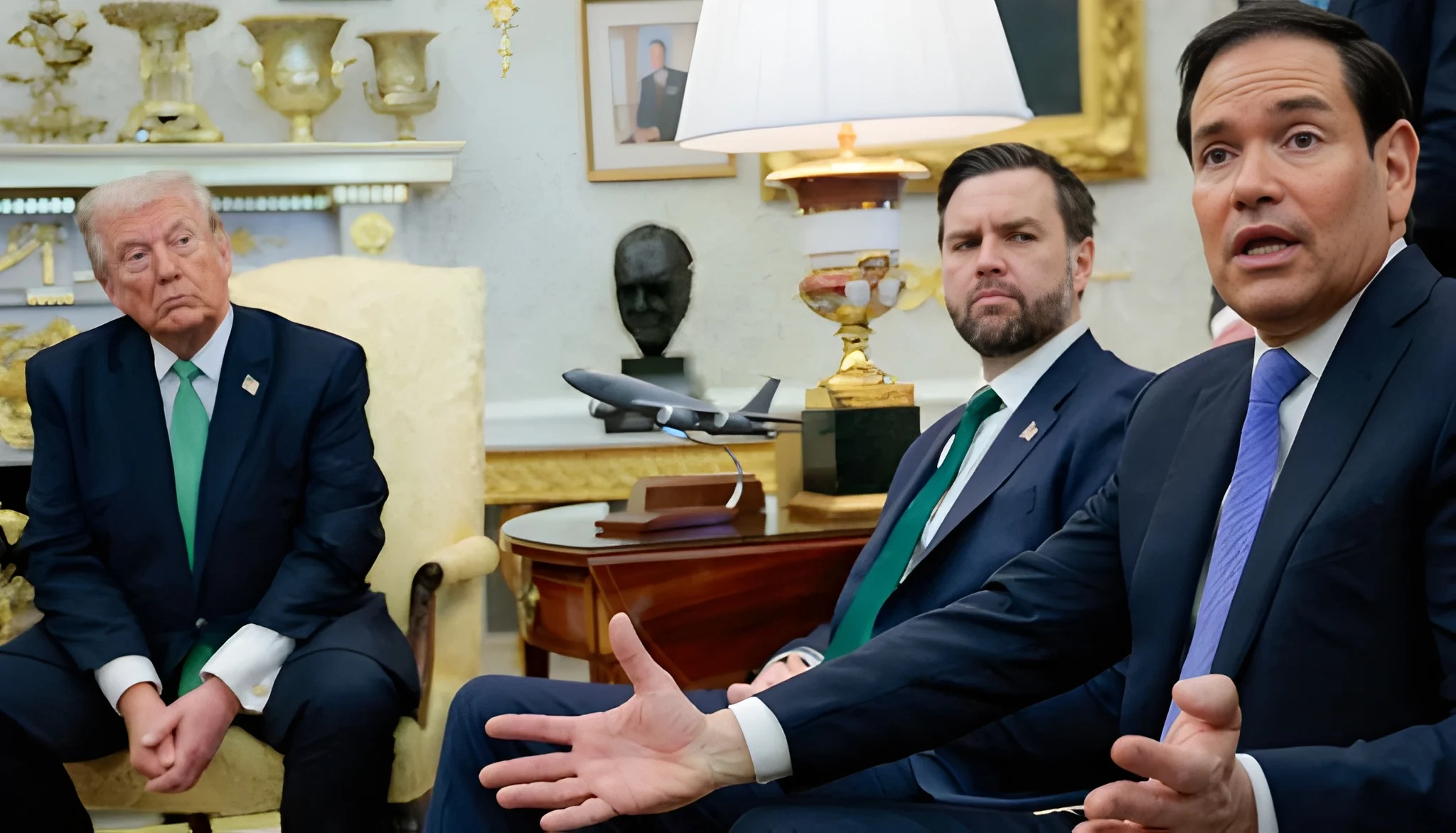
On Sunday, US Secretary of State Marco Rubio called on countries around the world to share the burden of protecting global shipping.
US Central Command (CENTCOM) said on Sunday that it successfully completed the ninth consecutive night of strikes against Iran, while Rubio said he would "continue to try" to reach a diplomatic solution.
DIPLOMATIC EXCHANGES
The fresh fighting came after a weekend in which the US announced three new US military fatalities and one service member missing in action.
Two were killed during Iranian missile and drone attacks on Jordan on Friday, while another service member was killed in northern Iraq during the controlled detonation of unexploded ordnance from a downed Iranian drone, CENTCOM said.
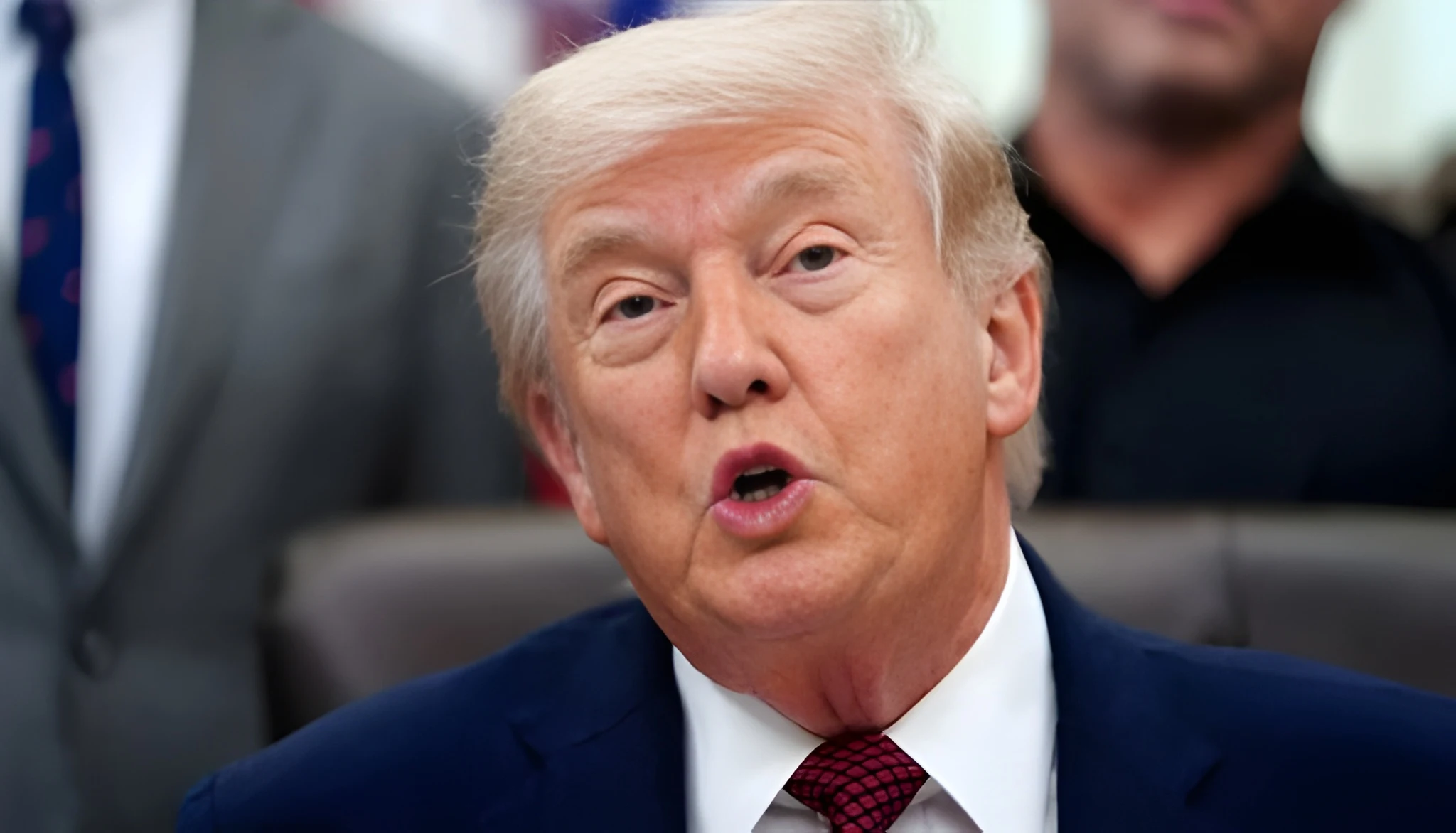
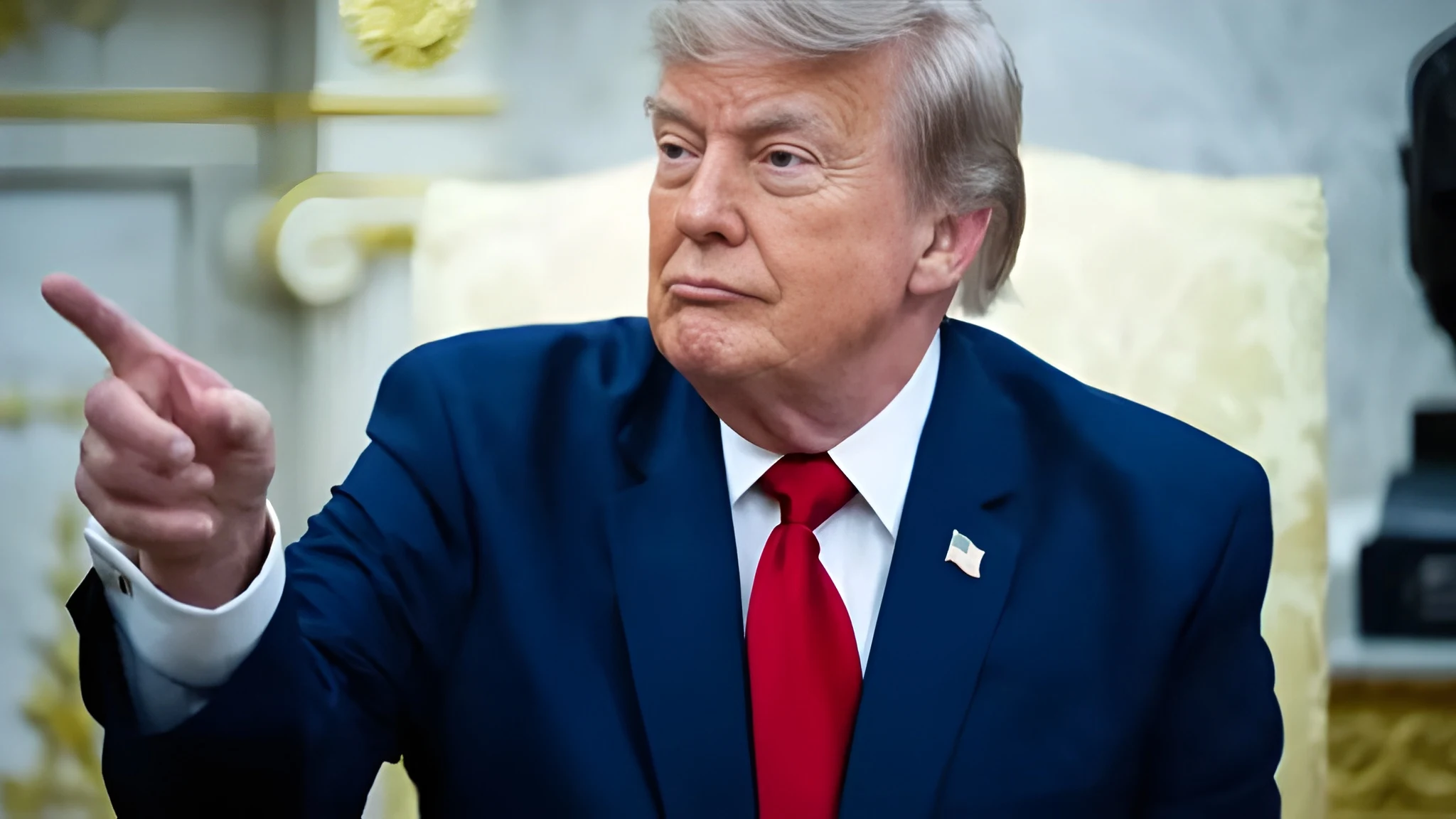
President Donald Trump said US strikes on Iran "hit them very hard" in honour of the American fatalities.
The deaths brought to 17 the confirmed number of US military fatalities since the conflict began.
On Friday, Iran's health ministry reported that 50 people had been killed in recent fighting and more than 500 wounded.
Despite the latest attacks, Iranian foreign ministry spokesman Esmaeil Baqaei said diplomatic exchanges with the US via mediators were ongoing.
"Ideas have been conveyed to us by certain mediators," he told a news conference in Tehran attended by AFP.
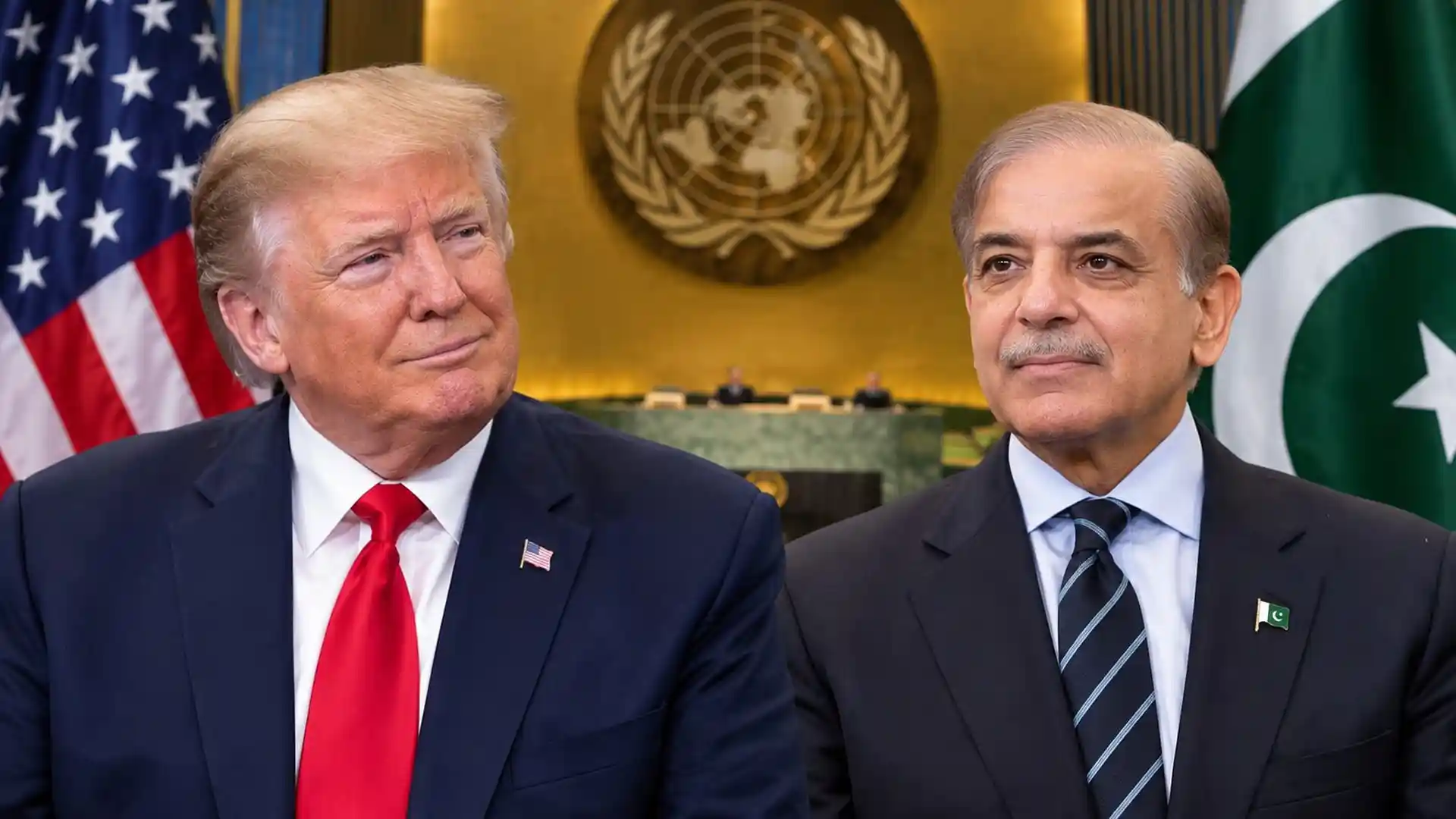
Iran's Interior Minister Eskandar Momeni was set to travel to mediator Pakistan's capital on Monday, a Pakistani interior ministry source told AFP, without confirming the reason.
Meanwhile Iran's Revolutionary Guards announced on Monday that they had hit targets in Syria, Jordan and Kuwait overnight.
Kuwait's military said on Monday afternoon it was responding to fresh missile and drone attacks.
Bahrain's interior ministry also said its air raid sirens had sounded and urged citizens and residents to head to "the nearest safe place".
Manama's civil aviation body said Iran had targeted its air navigation systems.