
Punjab Plans New Curriculum for Primary Schools
Published On 18 Aug, 2026
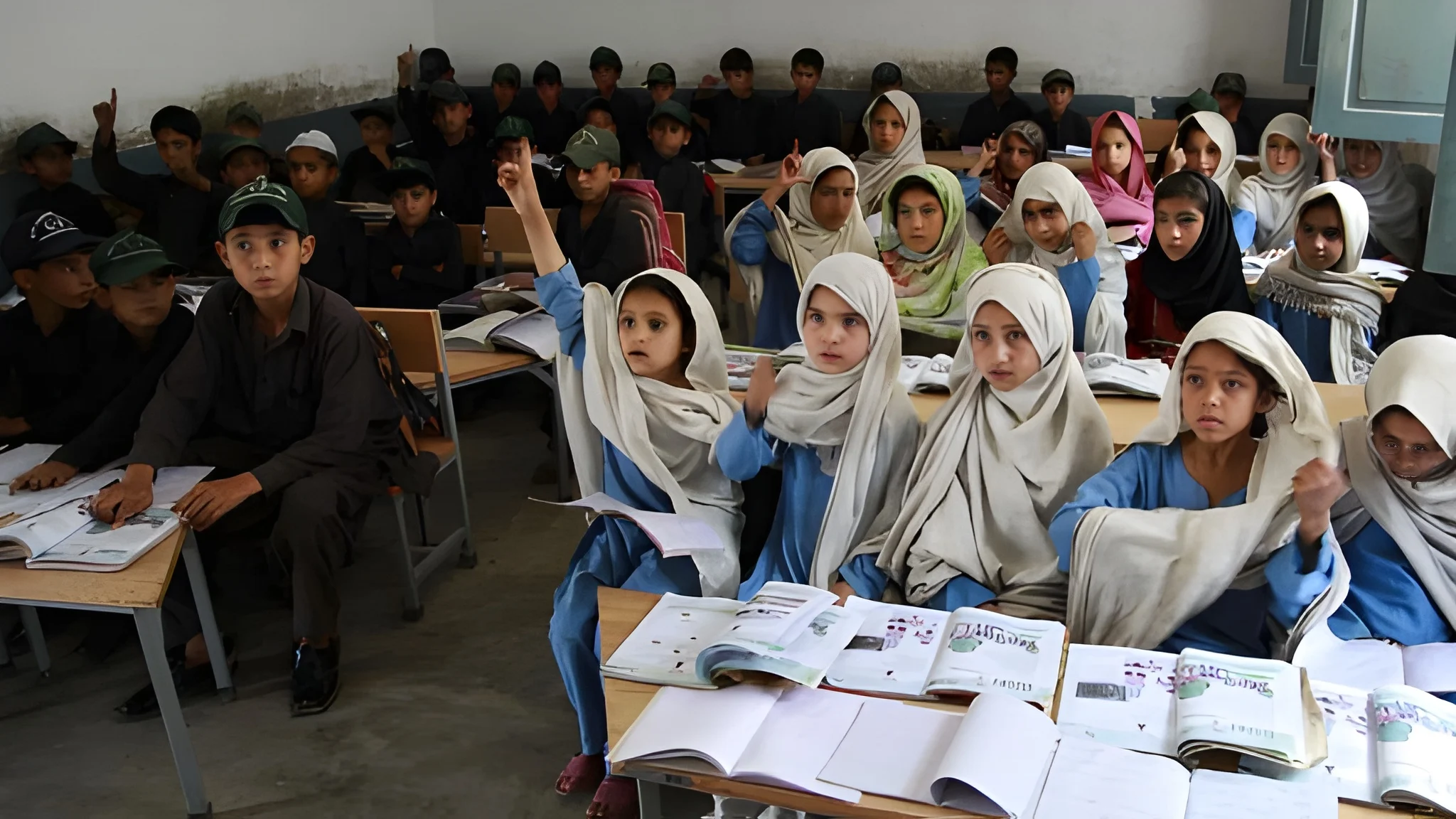
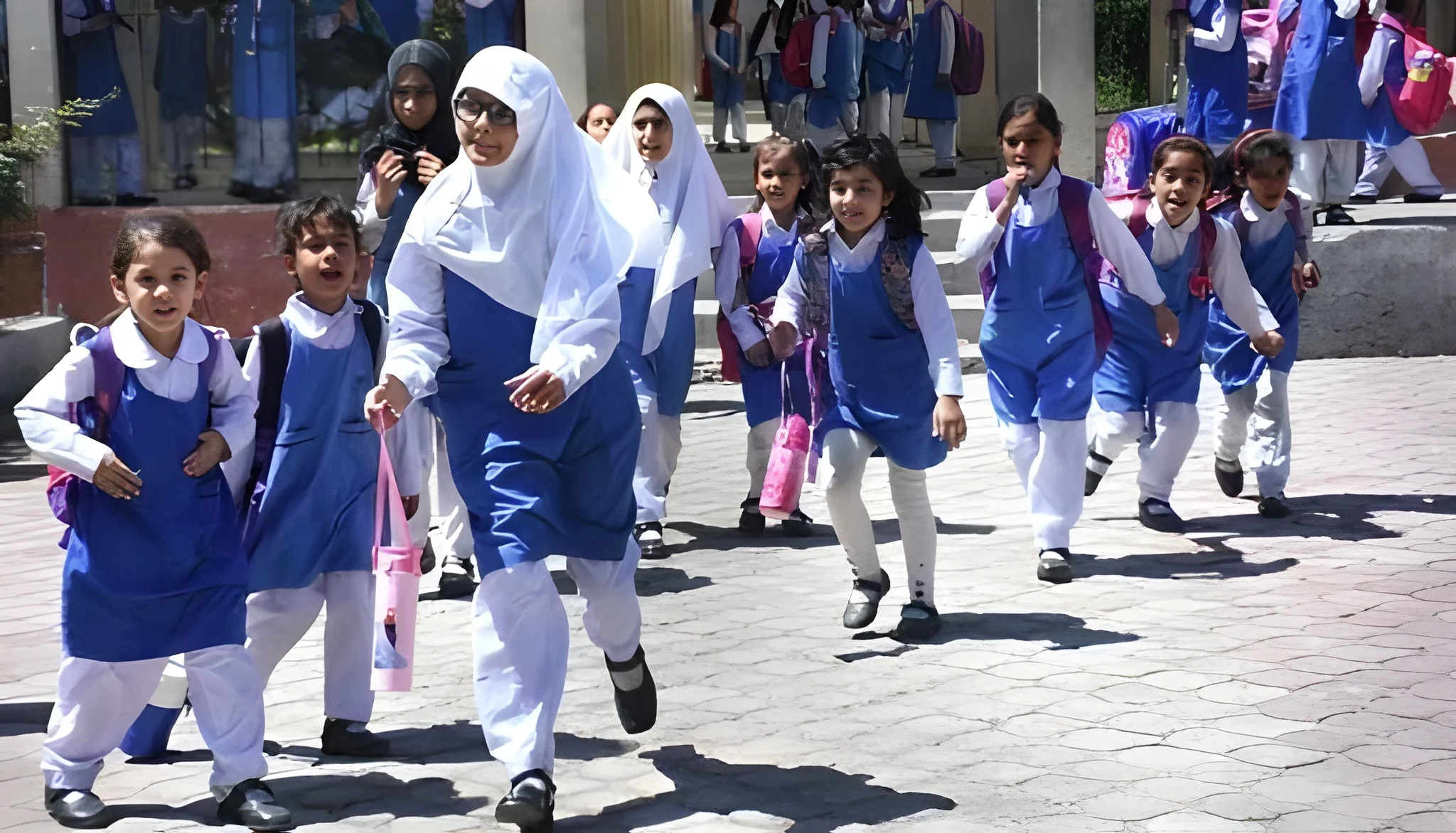
Speaking to the media, she said the new curriculum would move away from rote learning and focus on students’ understanding, observation, questioning, analysis and problem-solving skills.
She said educational concepts would be taught through activities to make learning more engaging and effective, with the content designed according to students’ age, mental capacity and learning needs.
Dr Shaheen said the new approach would give children greater opportunities to learn through observation, practical experience and classroom activities rather than simply memorising textbook material.
She said teachers would play a more active role under the new system by involving students in classroom activities, asking questions, seeking their views and encouraging them to observe and draw conclusions independently.
Teacher training would also be an important component of the new teaching system, equipping educators with modern techniques and a better understanding of activity- and concept-based learning, she added.
The District Education Officer said the curriculum would also aim to reduce unnecessary academic pressure by making learning material simpler and more age-appropriate.
Revolutionary initiative taken to educate out of school children
She said progress had been made towards making the Grades 1 to 5 curriculum shorter, simpler and aligned with modern educational requirements. Textbooks based on the new curriculum would be prepared and published for the 2027-28 academic session.
Dr Shaheen said strengthening children’s educational foundations at the primary level was essential, as learning habits and understanding developed in the early grades had a lasting impact on their future academic performance.
She added that Punjab was also working on other initiatives to modernise education, including a plan to introduce artificial intelligence education at the primary level from the 2027-28 academic session.
Dr Shaheen expressed hope that the new curriculum and modern teaching methods would provide government school students with higher-quality, purposeful and practical education.